
Table of Contents
The USA universities’ last regular decision for the Fall semester (August/September) intake is around the corner: Late March – Early April. Most of us are waiting for the list to come and pray that the acceptance letter actually arrives.
You’ve checked your portal 47 times today. Your parents keep asking, Any news? Your friends are posting “finally committed to this or that university” on Instagram stories. And every time your phone buzzes, your heart stops, you pray even harder. And we understand that.
But the thing is: while you are waiting for those Fall 2026 RD results, you need a game plan, not just for celebration but for choosing.
Because as those acceptance letters (Yes, Plural- that is what we are manifesting for you) pop up in your inbox, you will barely have two weeks to decide. This is where the QS Rankings 2026 USA universities will come in handy. This will help you choose not only the one you wish for, but the right one that truly fits your goals, ambitions, and future plans.
Spoiler: The highest-ranked university isn’t always the best one for an international student on a visa.
Before helping you choose the right uni for you, we must dive into the process that you must follow as the RD results reach you.
When Decisions Actually Arrive?
Just take a deep breath and check out the 2026 RD decision calendar
| University Group | Typical Decision Release | What You Should Do Right Now |
| Ivy League + MIT + Stanford | Late March (28th–31st) | Prepare for either outcome. Have safeties ready. |
| Top Public Ivies (UC Berkeley, UCLA, UMich) | Late March – Early April | Check your spam folder daily. Seriously. |
| Rolling Admission Schools | Within 4–6 weeks of applying | You may already have an offer. Don’t ignore it. |
| Waitlist Decisions | May – June | Accept another offer first. Transfer later if needed. |
April 14, 2026: If you haven’t heard from regular decision schools yet, expect any day now. Keep your notifications on and keep manifesting.
Now, come to the star of the blog, QS Rankings 2026 USA universities. Let’s move together into the realm of why and how the USA is still holding the top position as the academic brilliance league.
Which US Universities Are in the QS Top 100 for 2026?
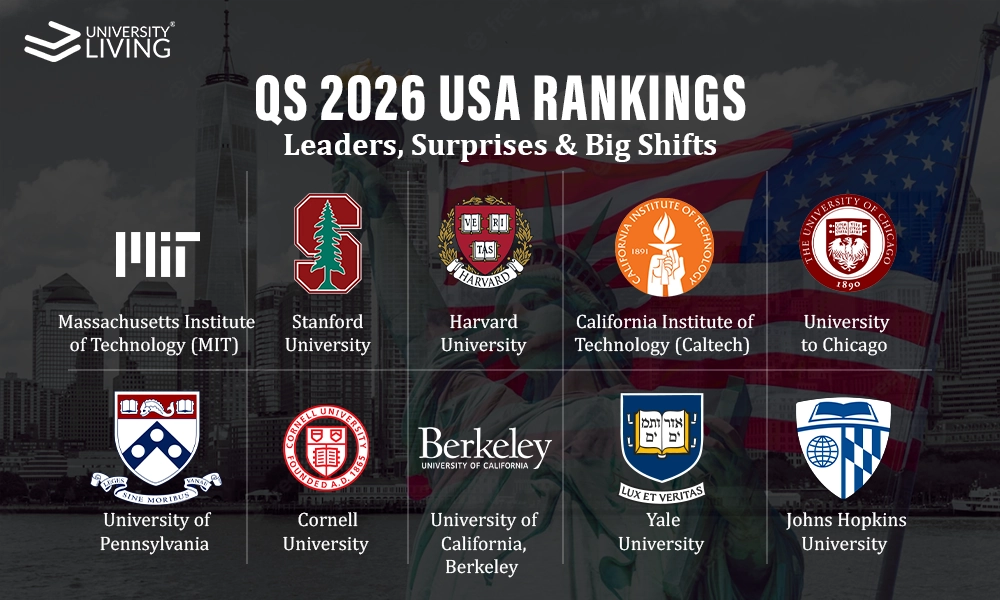
Finally, the wait is over. 26 institutions proved they belong in the world’s top 100 (which is more than a quarter). Thus, consolidating the QS (Quacquarelli Symonds) data, here is the list of leading USA Universities Ranked in QS Top 100 (2026).
| University Name | QS Rank | Overall Score | Top Courses |
| Massachusetts Institute of Technology (MIT) | 1 | 100 | Engineering, Computer Science, AI, Physics |
| Stanford University | 3 | 98.9 | Computer Science, Business, Engineering |
| Harvard University | 5 | 97.7 | Law, Business, Medicine |
| California Institute of Technology (Caltech) | 10 | 94.3 | Physics, Engineering, Chemistry |
| University of Chicago | 13 | 93 | Economics, Law, Business |
| University of Pennsylvania | 15 | 92.5 | Finance, Business, Medicine |
| Cornell University | 16 | 91.6 | Engineering, Hospitality, Agriculture |
| University of California, Berkeley | 17 | 91.2 | Computer Science, Engineering |
| Yale University | 21 | 90.4 | Law, Political Science, Humanities |
| Johns Hopkins University | 24 | 89.7 | Health, Medicine, Research |
| Princeton University | 25 | 89.4 | Mathematics, Physics, Economics |
| Columbia University | 34 | 85.6 | Journalism, Business, Law |
| Northwestern University | 42 | 85.1 | Journalism, Business, Engineering |
| University of Michigan-Ann Arbor | 45 | 84.7 | Engineering, Business Administration, Computer Science & Data Science, Law |
| University of California, Los Angeles (UCLA) | 46 | 84.4 | Film, Medicine, Engineering |
| Carnegie Mellon University | 52 | 82.3 | Computer Science (Top 3 globally), AI& Machine Learning, Robotics, Human-Computer Interaction (HCI) |
| New York University (NYU) | 55 | 81.1 | Business, Arts, Law |
| Duke University | 62 | 79 | Medicine, Law, Public Policy |
| University of California, San Diego (UCSD) | 66 | 76.9 | Biology, Oceanography, Engineering |
| University of Texas at Austin | 68 | 76.4 | Engineering, Business |
| Brown University | 69 | 76.2 | Liberal Arts, Humanities |
| University of Illinois Urbana-Champaign | 70 | 75.9 | Engineering, Computer Science |
| University of Washington | 81 | 72.7 | Medicine, Public Health, Engineering |
| Pennsylvania State University | 82 | 72.6 | Engineering, Business |
| Boston University | 88 | 71.1 | Business, Medicine |
| Purdue University | 88 | 71.1 | Engineering, Technology |
After seeing this list, you might be wondering why the USA is always locked in their spot and how? Not any other country, as per the 2026 QS World University Rankings, features 106 countries or locations. This is an increase of 3 locations compared to 2025. There might be a reason?
As QS Rankings 2026 include universities from over 100 countries, but a few nations clearly lead in global higher education.
Top 5 Most Represented Nations:
- USA: 192 institutions
- UK: 90 institutions
- China: 72 institutions
- India: 54 institutions
- Germany: 50 institutions
Why is the USA Still a Top Destination for International Students in 2026?
Okay, so we all must agree that Visa policies for the USA are evolving every day. Yet more than 1.1 million students enroll there with big dreams (packed in suitcases and wrapped in the admission letters). The reasons are beyond ROI:
- Unmatched prestige. MIT, Stanford, Ivy Leagues and the U.S. dominates global rankings. No cap.
- The STEM bag. 36 months of work authorization via OPT? That’s a flex. Enough time to secure sponsorships and stack experience.
- Salary potential. Six-figure starting salaries in tech, finance, and consulting make the debt make sense.
- Global networking. You’re studying with future founders, VPs, and policymakers. The connections hit differently.
Above all, with the right university choice, you can actually manage the cost of living in USA better than most people expect. Public Ivies like Berkeley, UCLA, and Michigan offer world-class education in cities where student budgets stretch further than you think.
Cool Little Insight: The United States has won a total of 432 Nobel Prizes. That represents approximately 34% of all Nobel Prizes awarded since the prizes began in 1901.
The QS World University Rankings 2026: Top US Universities for International Students
Let’s understand these universities beyond ranking and dive into what QS shook things up by introducing a brand-new metric: International Student Diversity. While it’s not yet weighted, it’s a clear signal that rankings are evolving beyond just research papers and reputation. We will discuss this factor later, first starting with the main attraction of the blog: The top 26 schools in the USA for international students. So, buckle up, because we are about to break down every single one of these 26 institutions, what makes them genuinely special for international students, and the honest truth about whether they are the right fit for you.
Massachusetts Institute of Technology (MIT)
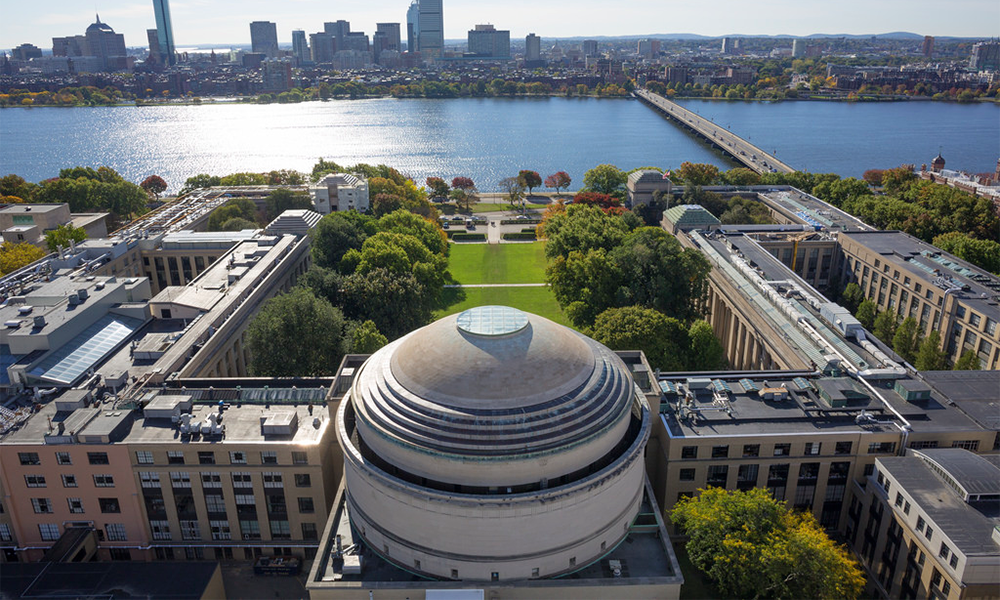
Not trying to hype it up, but MIT has been the No. 1 university at QS World University since 2012 (14 consecutive years). Perfect scores across Academic Reputation, Employer Reputation, Citations per Faculty, and Employment Outcomes. This is not prestige. This is proof.
| MIT at a Glance | |
| Location | Cambridge, Massachusetts |
| Founded | 1861 |
| QS Score | 100/100 |
| International Students | 33% (150+ nationalities) |
| Top Courses | Engineering, Computer Science, AI, Economics |
Why does Massachusetts Institute of Technology rank 1 in QS?
It’s not just the numbers (100/100), it’s more than that subject dominance, global engagement and innovation.
- Academic Reputation: Based on survey responses from over 130,000 academics regarding teaching and research quality.
- Employer Reputation: Reflects how global employers view the “readiness” and technical prowess of MIT graduates.
- Citations per Faculty: Measures the impact and volume of research produced by the university’s staff.
- Employment Outcomes: High success rates for graduates entering the workforce in leadership and innovative roles.
- International Faculty Ratio: Demonstrates MIT’s ability to attract top-tier global talent.
The Hidden Strength of MIT
Everyone applies to MIT for Engineering. Nobody talks about its Economics department, which has produced more Nobel Prize winners than most countries. If macro, behavioral, or development economics is your thing, this is genuinely your best shot on the planet.
What does it actually cost to study at MIT?
| Sticker Price | ~$79,250/year |
| Average Aid for Internationals | ~$57,000/year |
| What You May Actually Pay | ~$22,000/year |
MIT meets 100% of demonstrated financial need for every admitted student, including international students. No loans. Just grants. It is often cheaper than universities ranked 200 spots below it.
What is the career reality of MIT Students?
STEM OPT gives you 36 months of work authorization. Top recruiters include Google, McKinsey, Goldman Sachs, SpaceX, and Tesla. Average CS starting salary? $145,000 – $180,000.
MIT Core: MIT’s alumni community of over 150,000 people includes 105 Nobel Laureates, more than one-third of all U.S. manned spaceflight astronauts, and the founders of companies like Intel, HP, and Dropbox.
Stanford University
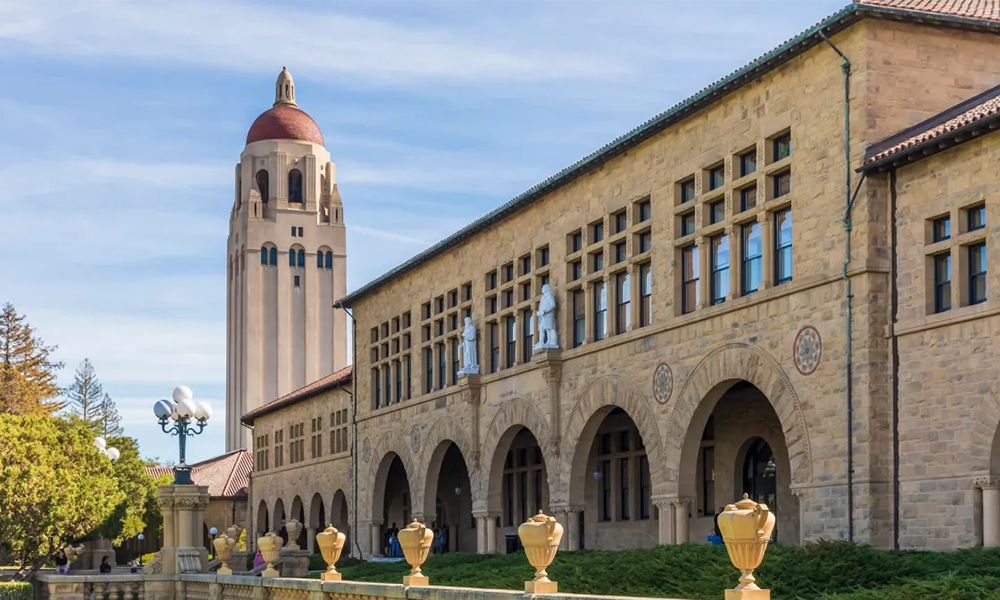
If MIT is the king of engineering labs, Stanford is where the next billion-dollar idea gets its first whiteboard sketch. This top third university is right in the centre of Silicon Valley, which doesn’t just teach innovation; literally, it is surrounded by innovation, tech and main character growth. Do you know that: Google, Netflix, HP, and Instagram all have Stanford DNA in their founding stories. And no, that’s not a coincidence. That’s the culture.
| The Basics about Stanford | |
| Location | Stanford, California |
| Founded | 1885 |
| QS Rank | 3 |
| QS Score | 98.9/100 |
| International Students | 24% (90+ nationalities) |
| Top Courses | Computer Science, Business, Engineering, Medicine, Law |
Why does Stanford rank 3 in QS?
The fun part: Stanford doesn’t chase rankings, but rankings chase Stanford. Here’s what the numbers are actually telling you:
- Academic Reputation: Consistently rated among the top 3 globally by over 130,000 academics. Stanford’s research touches everything from AI to biotech to climate science to public policy. It is genuinely not a one-trick pony.
- Employer Reputation: Silicon Valley is Stanford’s backyard. When recruiters from Google, Apple, and Sequoia Capital are literally 15 minutes away from your dorm, your hireability stops being a question. It becomes a given.
- Citations per Faculty: Stanford faculty are citation machines. Its AI and medicine departments alone produce research that shapes global industry and government policy. The kind of stuff that ends up in news headlines.
- International Faculty Ratio: Over 40% of Stanford’s faculty were born outside the US. For an international student, that actually matters a lot. It means the campus genuinely gets your perspective, not just tolerates it.
The Hidden Strength of Stanford
Sanford is lit among students for CS or the MBA courses. Yet d.school (Hasso Plattner Institute of Design) is the hidden Gem that nobody is really talking about. Honestly, it is the birthplace of design thinking as a global methodology. If you are the kind of person who lives at the intersection of empathy, business, and technology, this place was built for you. No other top-ranked university has anything quite like it.
Plus, Stanford’s Earth Systems and Environment and Resources programs are also quite underrated. If climate policy is where you see your future, you are looking at the best program in the world for it. Full stop.
What Does It Actually Cost to Study at Stanford?
| Sticker Price | ~$82,000/year |
| Average Aid for Internationals | ~$58,000/year |
| What You May Actually Pay | ~$24,000/year |
Stanford meets 100% of demonstrated financial need for every admitted student, including internationals. No loans in the aid package either. Just grants. So before the sticker price sends you into a spiral, go run the net price calculator. You might be genuinely surprised by what you find.
What is the Career Reality for Stanford Students?
STEM OPT gives you 36 months of work authorization, and at Stanford you will not struggle to fill them. Top recruiters include Apple, Google, Meta, McKinsey, and a whole row of VC firms that would love a Stanford name on their cap table.
Average CS starting salary? $155,000 to $190,000. And if entrepreneurship is the actual plan? Stanford alumni have founded companies worth a combined $2.8 trillion in market value. The network here does not just open doors. It builds entire buildings.
Inside Stanford: Stanford’s alumni include 30+ billionaires, 17 astronauts, and the founders of Google, Yahoo, Instagram, Snapchat, LinkedIn, and PayPal. The Stanford Research Park, right next to campus, is home to 150+ companies that are actively recruiting students year-round.
Harvard University
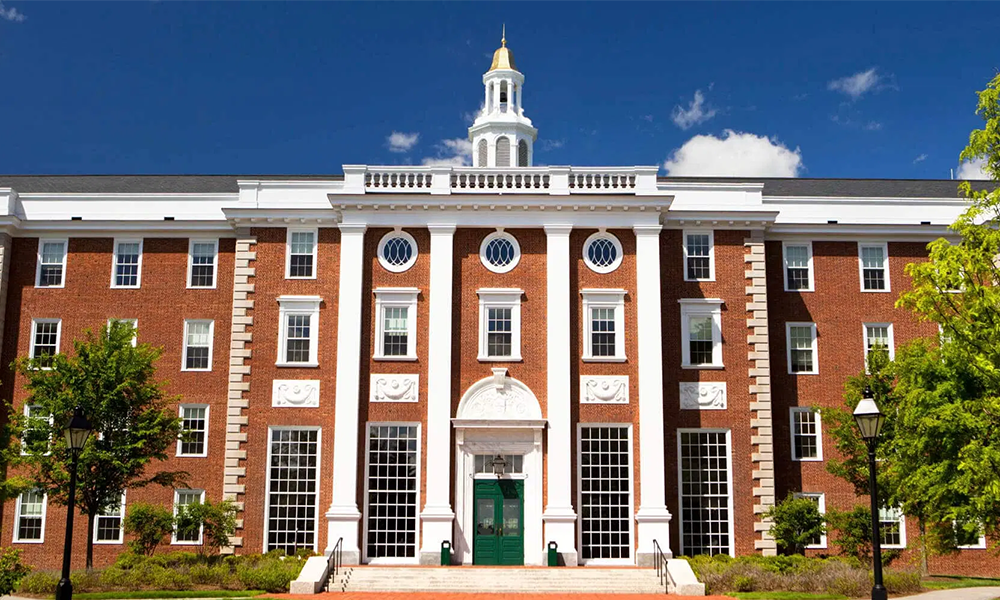
You know the name, your parents know the name, and even your neighbours know the name, right? LBH, your distinct cousin who studied there in 2003 never lets anyone forget the name. Harvard is not just a university. It is a century-old signal that the world has agreed to respect, and that means something real when you are an international student trying to build a life in a new country.
But here is the thing nobody tells you. Harvard is not the best at everything. It is just the most legendary of a very specific set of things. Knowing what those things are is what separates a smart application from a hopeful one.
| Harvard Fast Facts | |
| Location | Cambridge, Massachusetts |
| Founded | 1636 |
| QS Rank | 5 |
| QS Score | 97.7/100 |
| International Students | 25% (100+ nationalities) |
| Top Courses | Law, Business, Medicine, Public Policy, Economics |
Why Does Harvard Rank 5 in QS?
Five might feel surprised for the name this big. But QS rewards research output and employer signals heavily, and Harvard is built more around intellectual legacy and professional prestige than pure citation volume. That is not a weakness. It is just a different kind of power (that makes Harvard standout since forever).
- Academic Reputation: No university on the planet scores higher in academic reputation surveys. Harvard’s name alone carries weight in every country, every industry, and every boardroom.
- Employer Reputation: Employers do not just hire Harvard graduates. They actively recruit them. From Wall Street to the World Bank, a Harvard degree is still one of the most recognised credentials on earth.
- Citations per Faculty: Harvard Medical School and its research hospitals, including Massachusetts General, produce some of the most cited medical research in the world. If you are going into medicine or public health, this is where the science actually happens.
- Faculty Strength: Over 50 Nobel Laureates are current or former Harvard faculty. That is not a stat you read and move on from. That is the room you are potentially sitting in.
The Hidden Strength of Harvard
Everyone knows Harvard Law and Harvard Business School. Nobody talks enough about the Harvard Kennedy School, which is quietly one of the most powerful pipelines into global governance, international development, and public policy leadership in the world. If you want to work at the UN, lead a government ministry, or shape climate agreements, this is your lane.
Also worth knowing: Harvard’s Division of Continuing Education allows cross-registration across schools, meaning as a graduate student you can pull courses from HBS, HLS, and the Kennedy School simultaneously. That kind of interdisciplinary access is rare even among top universities.
What Does It Actually Cost to Study at Harvard?
| Sticker Price | ~$82,950/year |
| Average Aid for Internationals | ~$55,000/year |
| What You May Actually Pay | ~$27,000/year |
Harvard’s financial aid programme is need-blind for US students and need-aware for internationals, so it is worth being upfront and thorough in your financial aid application. Families earning under $85,000 annually typically pay nothing. Above that, the contribution is on a sliding scale and still significantly below the sticker price. Do not self-select before you see the actual number.
What is the Career Reality for Harvard Students?
The Harvard network is genuinely in a league of its own. Over 371,000 living alumni spread across 190 countries. Top recruiters include Goldman Sachs, McKinsey, Bain, the WHO, and every major law firm you have ever heard of.
- The average starting salary for Harvard MBA graduates is $175,000 to $200,000.
- For law graduates entering Big Law is $215,000 base, right out of school.
And STEM OPT still applies across Harvard’s science and engineering programmes, giving you 36 months of post-study work authorisation to build your career in the US.
Harvard Highlights: Harvard has produced 8 US Presidents, 188 living billionaires, and more Nobel Laureates than most countries. Its endowment of over $50 billion is the largest of any university in the world, and a big chunk of that goes straight back into student financial aid.
California Institute of Technology
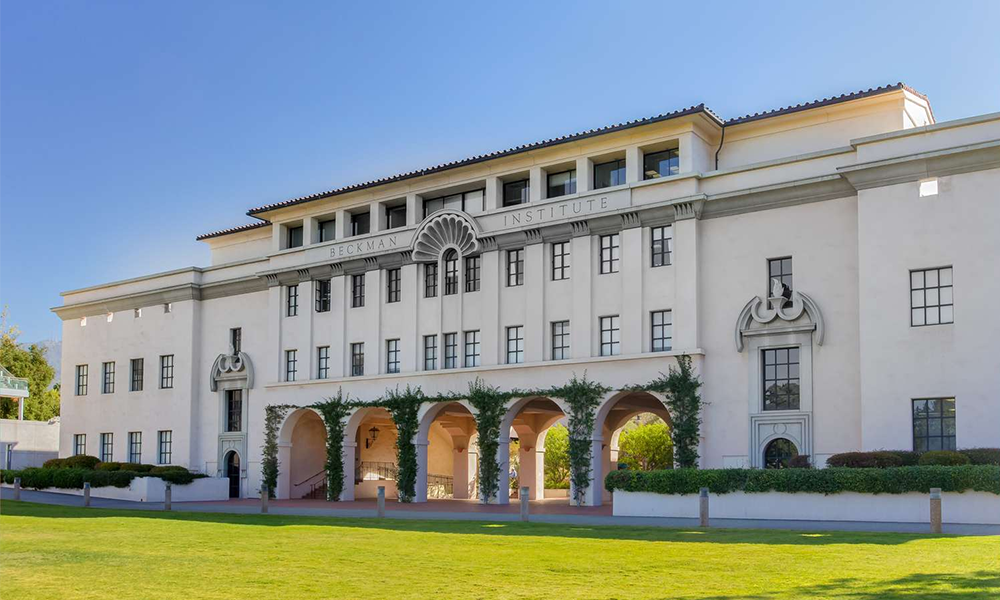
First things first: Caltech is not a smaller MIT (and honestly, this assumption cannot be more wrong). The fact is, the California Institute of Technology is not trying to be MIT or even Stanford, and it is doing its own thing entirely. Above all, its own thing happens to be world-class science at a scale and intensity that very few universities on the planet can match.
Here to give you some context: Around 2,400 students can call Caltech home, and no, this is not a typo, it’s reality. The entire university is smaller than most high schools. But its research output, its Nobel count, and its faculty-to-student ratio make it one of the most quietly dominant academic institutions in the world. If you are serious about hard science, this is not just a good option. It might be the best one.
| Caltech at a Glance | |
| Location | Pasadena, California |
| Founded | 1891 |
| QS Rank | 10 |
| QS Score | 94.3/100 |
| International Students | 27% (60+ nationalities) |
| Top Courses | Physics, Engineering, Chemistry, Biology, Computer Science |
Why Does Caltech Rank 10 in QS?
The madness, for a university with lesser students than some university departments and being in a global top 10 is a good kind, right? The reasons that placed Caltech there are:
- Academic Reputation: Mythical among researchers. Caltech ranks #1 globally for physics and physical sciences. QS voters know exactly what it is.
- Citations per Faculty: The jaw-dropping stat. Caltech’s citation ratio rivals institutions ten times its size. Just 2,400 students, but research output that redefines the possible.
- Employer Reputation: Caltech grads don’t mass-apply. NASA, SpaceX, CERN, and DARPA track them down before dissertations are done. Very specific employers, very well-funded, very serious.
- Faculty Strength: 46 Nobel laureates from alumni and faculty. At this scale, that number shouldn’t be possible. And yet.
What is the hidden strength of the California Institute of Technology?
The Engineer, The Physics, yes, these courses are already a big name among Caltech students. But what people tend to miss is the Jet Propulsion Laboratory (managed by Caltech on behalf of NASA). This is more than a field trip destination; this is the place which has working access to one of the most consequential space research facilities ever built.
Plus, how can we not talk about an undergraduate researcher who is not just shadowing a PhD student or bringing coffee, but contributing to publishable work from their first year. And we mean actual contributions. If you are the kind of person who gets bored just reading about science and wants to be inside it, Caltech does not make you wait.
What Does It Actually Cost to Study at Caltech?
| Sticker Price | ~$83,000/year |
| Average Aid for Internationals | ~$54,000/year |
| What You May Actually Pay | ~$29,000/year |
Caltech meets 100% of demonstrated financial need for every admitted student, internationals included. No loans, just grants. And given how few students they take in each year, if Caltech has decided they want you, they are not going to let the money be the reason you say no. Run the net price calculator before you write this one off.
What is the Career Reality for Caltech Students?
The path after Caltech looks a bit different from most universities on this list. A large chunk of graduates go straight into PhD programmes at MIT, Stanford, Princeton, and Caltech itself. Those who go into industry tend to land in research-heavy roles where depth of knowledge matters more than anything else on the resume.
Top destinations include NASA JPL, SpaceX, Boeing, Google DeepMind, and national labs like Sandia and Lawrence Berkeley.
The average starting salary for engineering and CS graduates is $140,000 to $175,000.
And for those staying in academia, Caltech’s PhD placement at the world’s top research universities is as strong as it gets anywhere.
Caltech Core: Under 2,500 students. 46 Nobel Laureates. Manager of NASA’s Jet Propulsion Laboratory. A faculty-to-student ratio of 1 to 3. Alumni include the founders of Intel and Hotmail. Caltech is proof that the loudest name in the room is not always the most powerful one.
University of Chicago
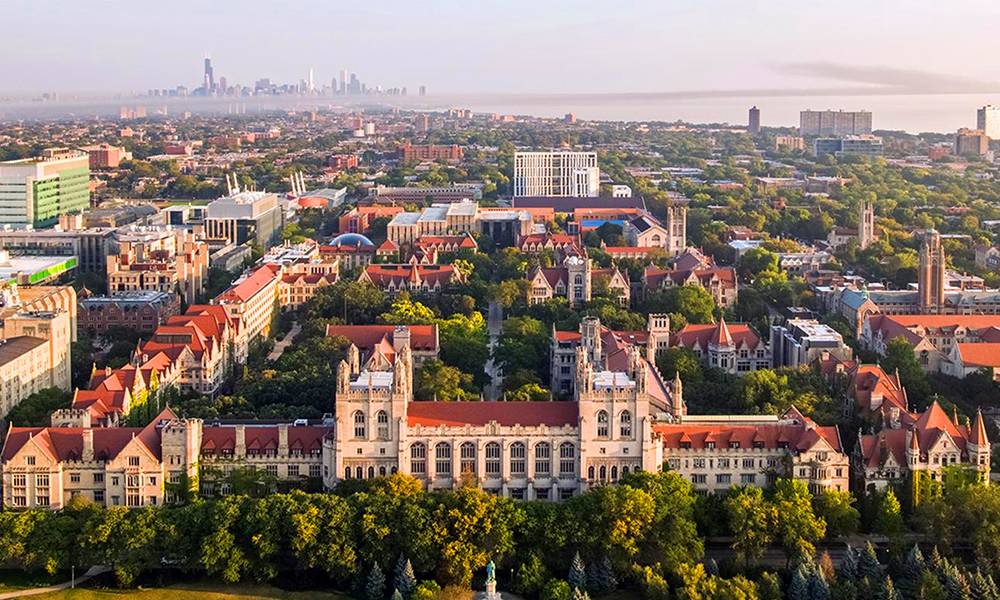
The University of Chicago is not built around hype or surface-level appeal. It is built around ideas, and the expectation that you engage with them deeply. Debates, discussions, and innovations are part of everyday life of students, professors, researchers, and beyond. Plus, questioning assumptions is not just encouraged, it is expected. Whether it’s economics, politics, or philosophy, discussions go beyond textbooks and into real-world impact. At its core, UChicago is not just about learning subjects. It is about developing a sharper way of thinking, one that challenges perspectives, builds clarity, and prepares you to approach problems differently.
| University of Chicago at a Glance | |
| Location | Chicago, Illinois |
| Founded | 1890 |
| QS Rank | 13 |
| QS Score | 93+/100 |
| International Students | ~30% (100+ nationalities) |
| Top Courses | Economics, Business, Law, Political Science, Mathematics |
Why Does the University of Chicago Rank 13 in QS?
The interesting part is not just that UChicago is in the global top 15, but how it stays there without trying to be everything for everyone. The reasons are very specific:
- Academic Reputation: If Caltech owns physics, UChicago owns thinking. Economics, political theory, sociology, and law. Whole schools of thought were born here. The Chicago School of Economics alone has been running global policy for decades. No cap.
- Citations per Faculty: The research is not just high volume. It is high impact. UChicago papers do not fill journals. They flip conversations.
- Employer Reputation: Graduates do not job hunt. They get placed. McKinsey, Goldman Sachs, World Bank, Federal Reserve. Different industries, the same vibe. High-stakes roles only.
- Faculty Strength: Over 100 Nobel laureates are affiliated. At that point, it is not a flex. It is a trend.
What is the Hidden Strength of the University of Chicago?
Everyone talks about economics. And yes, it is elite. But the real sleeper hit is the Core Curriculum. This is not a “take a few gen eds and dip” situation. This is a structured intellectual boot camp. Humanities, social sciences, physical sciences, you name it. No major is safe.
The logic is simple. You are not being trained for a job. You are being trained to think. And then there is the city. Chicago is not a backdrop. It is the co-star. Finance hubs, policy think tanks, startups, global corporations and some of the best student housing USA. The university is right in the middle of all of it. No commute required.
What Does It Actually Cost to Study in UChicago?
| Sticker Price | ~$90,000/year |
| Average Aid for Internationals | ~$60,000/year |
| What You May Actually Pay | ~$30,000–$40,000/year |
UChicago follows a need-based aid model and meets 100% demonstrated need for admitted students, including international applicants. Translation: if they admit you, they are willing to invest in you.
What is the Career Reality for UChicago Students?
The outcomes here are very clear and very consistent. A large number of graduates move into consulting, finance, and policy roles, while others pursue top-tier graduate programmes at institutions like Harvard, Stanford, and MIT.
Top employers include McKinsey & Company, Goldman Sachs, Google, Bain, and major global research organisations.
The average starting salary for graduates ranges between $85,000 to $120,000, depending on the field. And for those going into academia or research, UChicago remains one of the strongest feeders into top PhD programmes globally.
UChicago Cool facts: A university built on ideas, not trends. Over 100 Nobel laureates. Birthplace of modern economic theory. A Core Curriculum that forces you to think across disciplines. Located in one of the most powerful economic cities in the world.
University of Pennsylvania
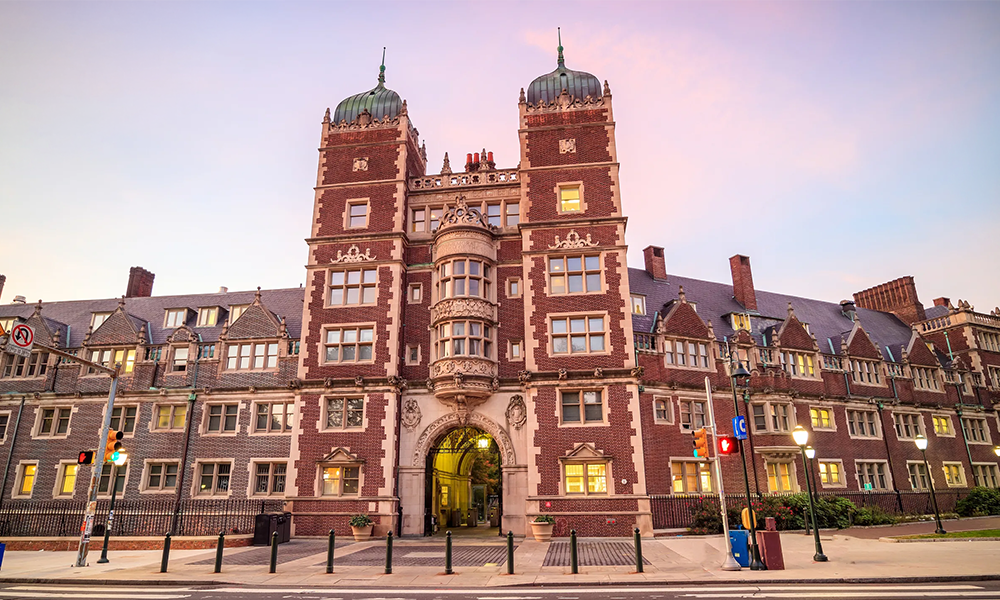
Finance, business, and the power of being first. Penn is not just an Ivy. It is a career launchpad. Benjamin Franklin founded this place to be practical. And 280 years later, it still is.
- Global Rank: #15 (QS 2026)
- Key Strength: Wharton School of Business. Best in the world for finance and entrepreneurship.
- Career Impact: Wall Street recruits Wharton students like they are draft picks. Starting salaries in finance often exceed $130k.
- Faculty Power: 40+ Nobel laureates across economics, medicine, and sciences.
Penn does not do liberal arts confusion. It does direct pipelines to high paying careers.
Cornell University
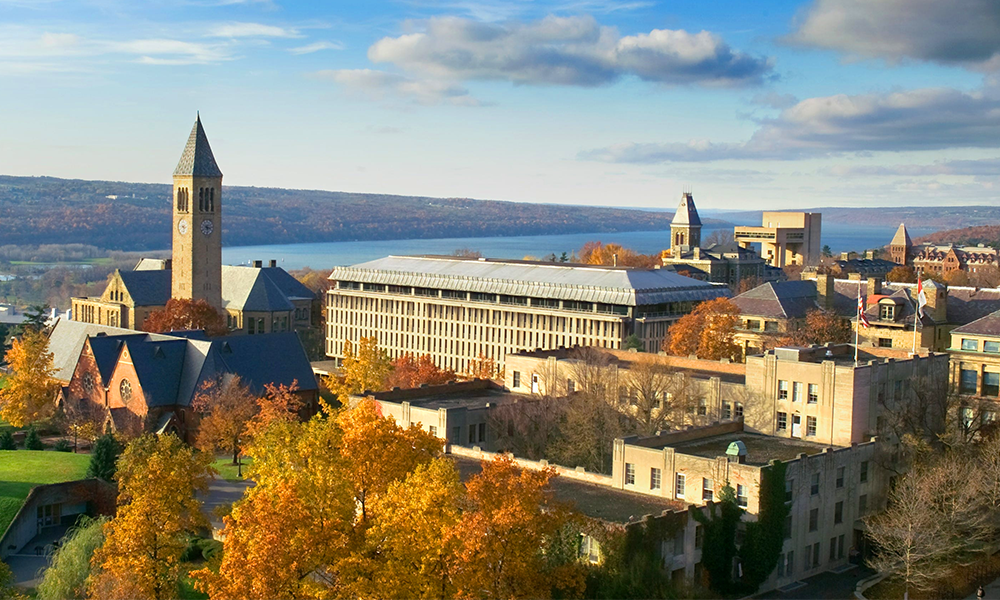
The most underrated Ivy. And honestly, one of the most impressive. It is tucked away in Ithaca, which means students actually study instead of chasing city distractions. The result? Serious graduates.
- Global Rank: #16 (QS 2026)
- Key Strength: Engineering, hotel administration, and agriculture. A weird mix that absolutely works.
- Career Impact: Tech, finance, and top graduate schools. NYC is a short trip away for recruiting.
- Faculty Power: 60+ Nobel laureates. Plus, a sprawling campus that feels like its own world.
Cornell gives you Ivy prestige without the snobbery. Underrated? Not for long.
University of California, Berkeley
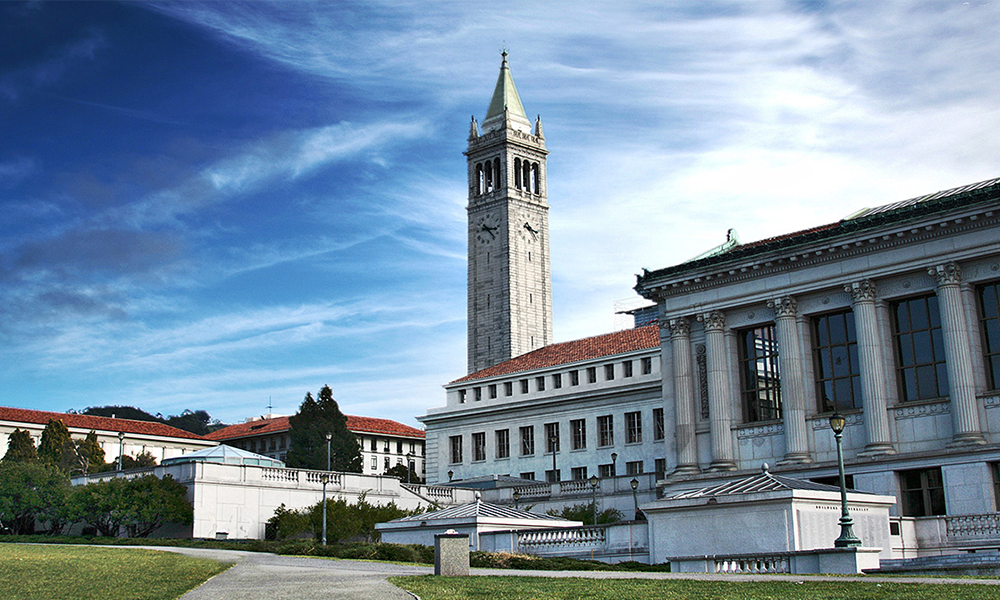
The original public Ivy. Loud, brilliant, and unapologetically competitive. Berkeley has been fighting for top tier status without private money. And winning. For decades.
- Global Rank: #17 (QS 2026)
- Key Strength: Computer science, engineering, and economics. Ranked #1 for public universities globally.
- Career Impact: Silicon Valley recruits Berkeley grads like locals. Starting CS salaries regularly top $140k.
- Faculty Power: 110+ Nobel Laureates. More than most private Ivies.
Berkeley is proof that public can beat private. Easily.
Yale University
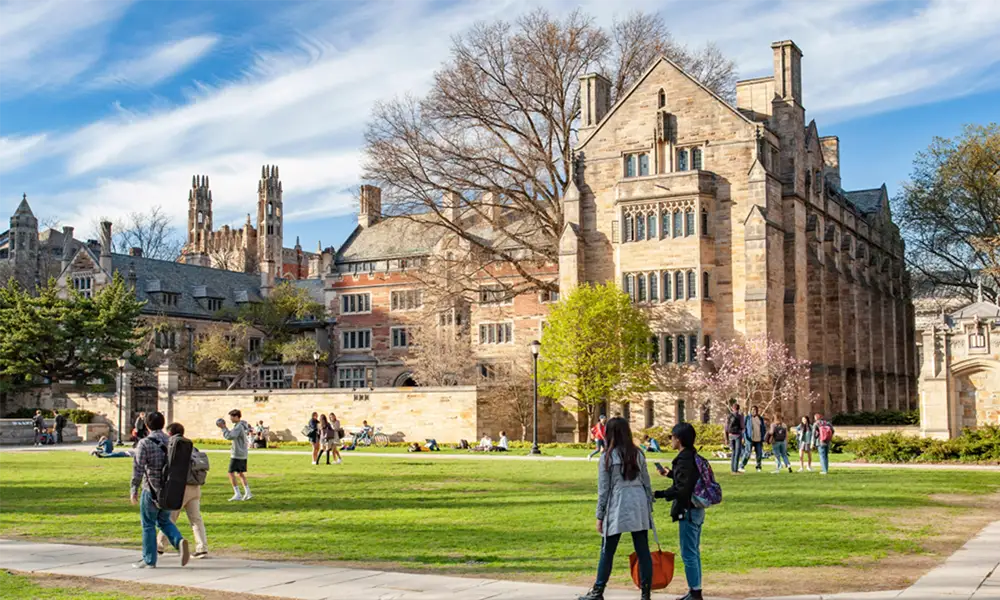
Old money, new ideas, and a law school that runs America. The campus looks like a gothic novel. But inside those stone walls, some of the most powerful people on earth are being trained.
- Global Rank: #21 (QS 2026)
- Key Strength: Law, arts, and humanities. Also, quietly elite in life sciences.
- Career Impact: Supreme Court clerkships, top law firms, and finance. The alumni network is small but ferocious.
- Faculty Power: 70+ Nobel Laureates. Additionally, a library system that is basically a museum.
Yale is not loud. It does not have to be. It is real and makes an impact on millions of people’s lives every day.
Johns Hopkins University
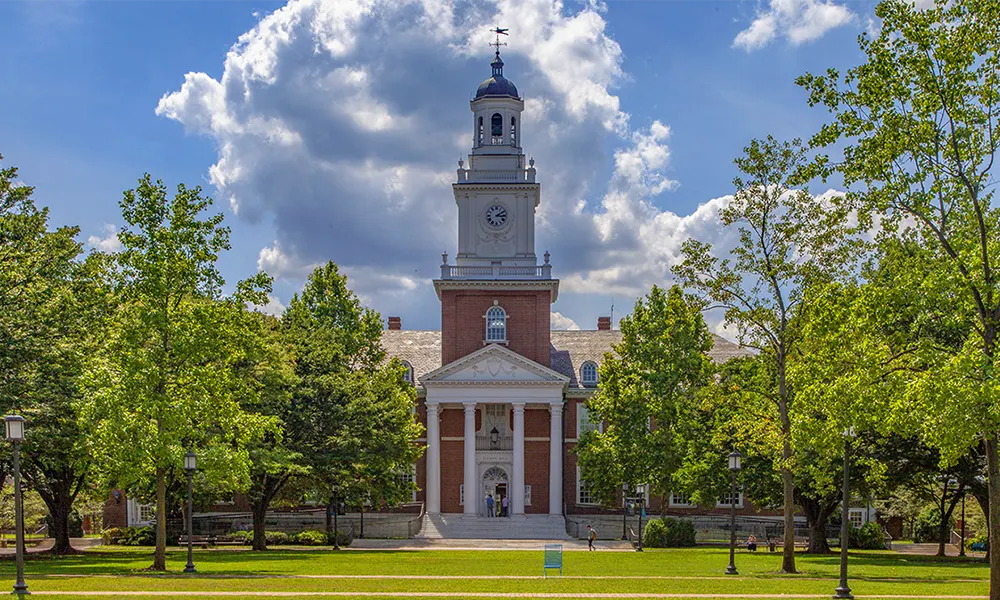
Medicine. Research. And the kind of funding that makes other universities jealous. Hopkins does not care about being famous. It cares about curing diseases and solving global health problems.
- Global Rank: #24 (QS 2026)
- Key Strength: Public health, biomedical engineering, and international relations.
- Career Impact: Top hospitals, pharma, and policy organizations. Hopkins grads save lives and run systems.
- Faculty Power: 40+ Nobel laureates, mostly in medicine and sciences. Research budget is among the highest in the world.
If you want to do serious science that matters, Hopkins is the answer, and you might not wonder around anyplace else.
Princeton University
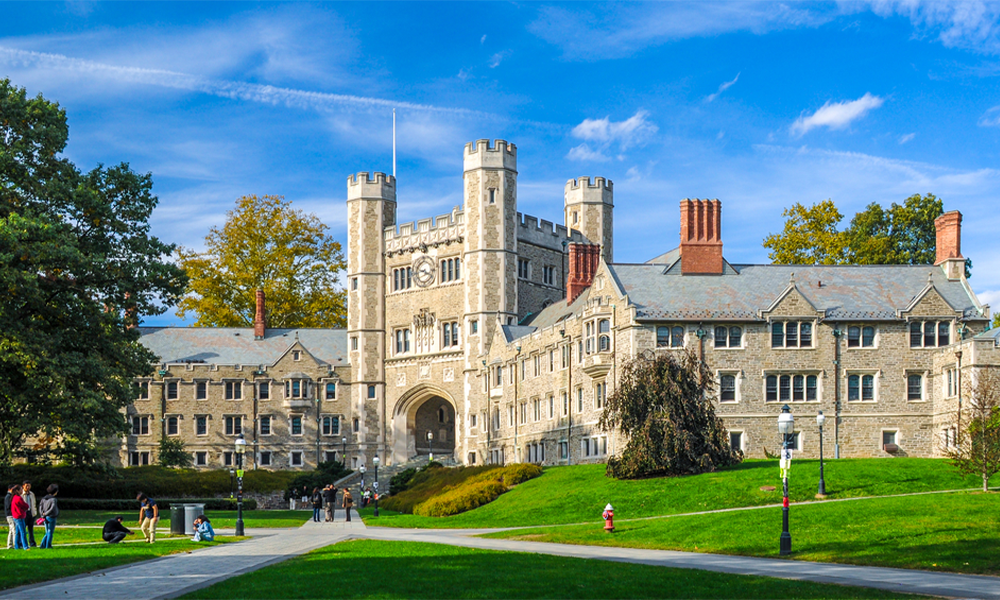
Small. Intense. Obsessed with undergraduate teaching. A rare combination. Most top universities prioritize graduate research. Princeton prioritizes the 18 year old in the front row. And it shows.
- Global Rank: #25 (QS 2026)
- Key Strength: Mathematics, physics, and public policy. No law school or med school. Pure academic focus.
- Career Impact: Top PhD programs, quant finance, and consulting. The alumni network is tiny but legendary.
- Faculty Power: 30+ Nobel Laureates. And they actually teach freshmen seminars.
Princeton does not do professional schools. It does deep thinking. And it works.
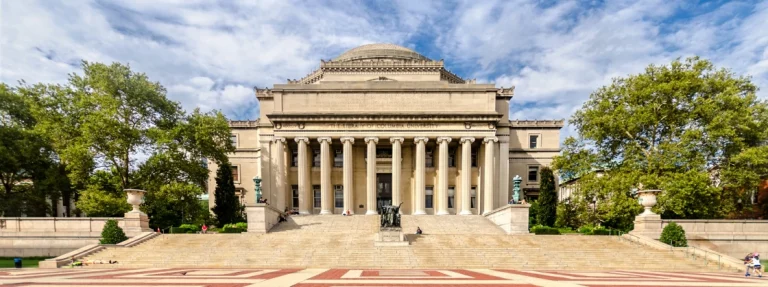
Columbia University
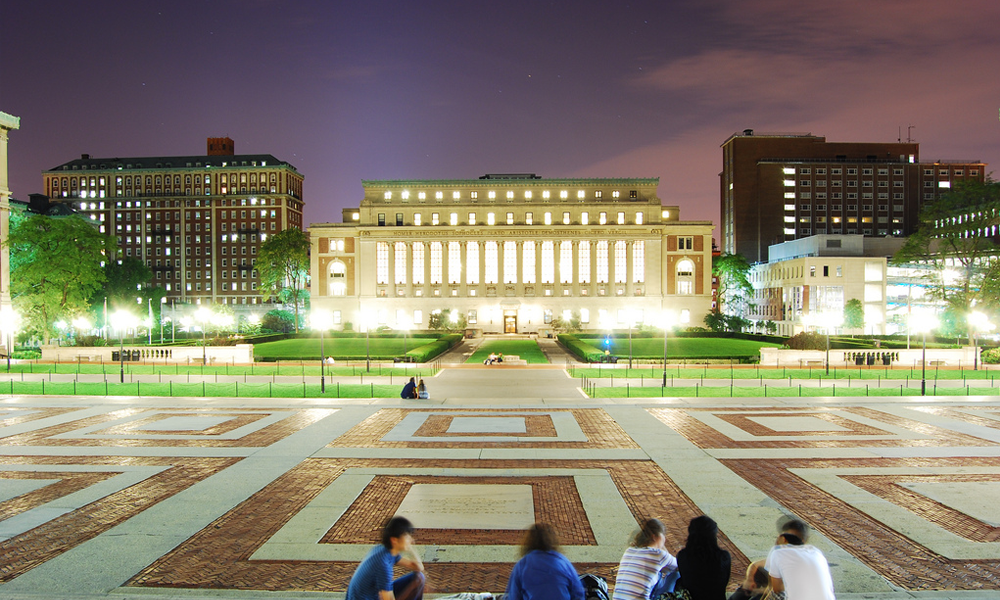
New York City is not the backdrop. It is the main character. You do not go to Columbia. You go to New York. And Columbia happens to be there, connecting you to everything.
- Global Rank: #34 (QS 2026)
- Key Strength: Journalism, business, engineering, and political science.
- Career Impact: Wall Street, media, and the UN are all walking distance. Internships happen during the semester, not just summer.
- Faculty Power: 100+ Nobel laureates. Plus, a Core Curriculum that has not changed in 100 years for good reason.
Columbia is not for people who want a quiet college town. It is for people who want the world.
Northwestern University
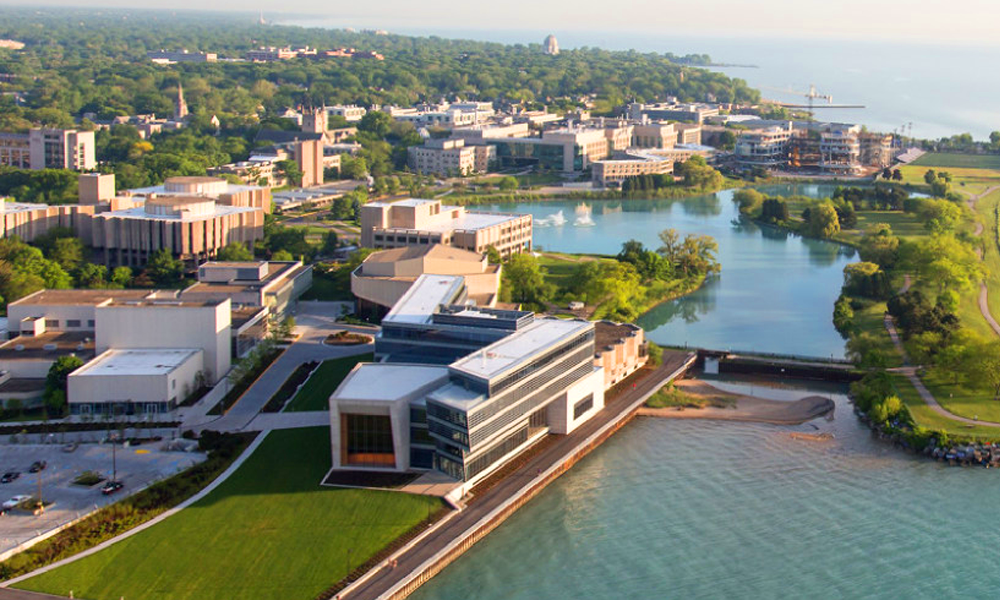
The midwestern Ivy that actually has a personality. Located right on Lake Michigan, the campus is stunning. But the real draw is a culture that balances serious academics with actual fun.
- Global Rank: #42 (QS 2026)
- Key Strength: Journalism (Medill), theater, engineering, and business.
- Career Impact: Chicago firms recruit heavily. Top consulting, marketing, and media jobs.
- Faculty Power: 20+ Nobel Laureates. Moreover, a stunning campus right on Lake Michigan.
Northwestern is fun, serious, and sneaky powerful. Do not sleep on it.
University of Michigan Ann Arbor
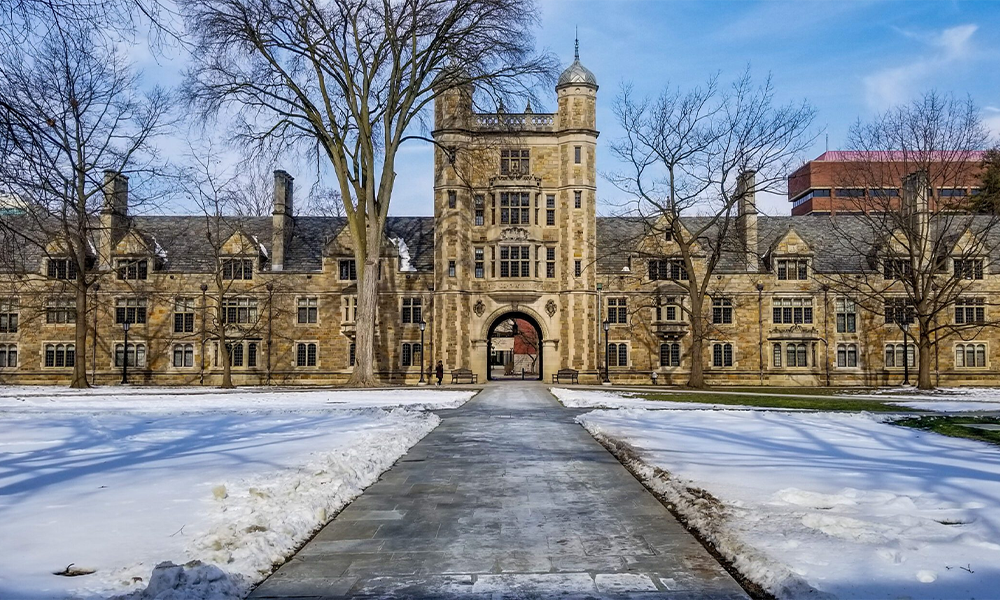
The gold standard of public universities. Big. Smart. Everywhere. Michigan grads show up in every industry, every city, every top company. The alumni network is a force of nature.
- Global Rank: #45 (QS 2026)
- Key Strength: Engineering, business (Ross), and law.
- Career Impact: Automotive, tech, consulting, and finance. The alumni network is one of the largest on earth.
- Faculty Power: 30+ Nobel laureates. Research budget competes with top privates.
Michigan is not trying to be an Ivy. It is trying to beat them. And often does. But in the end, it is all about academic brilliance and that both offer.
University of California, Los Angeles (UCLA)
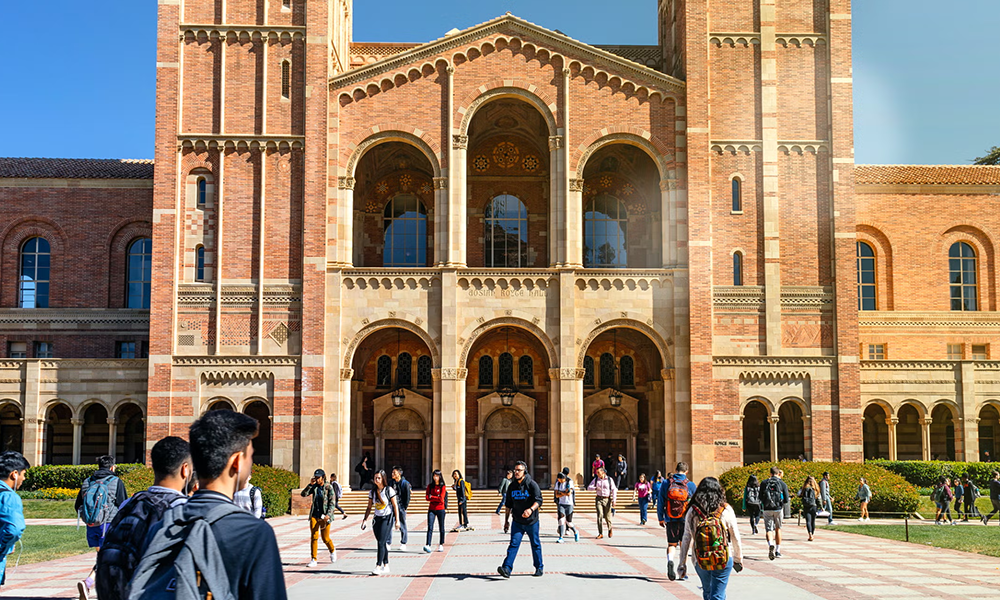
Sun, success, and surprisingly serious academics. People see the beach and think it is easy. Then they see the acceptance rate (under 9%) and change their mind quickly.
- Global Rank: #46 (QS 2026)
- Key Strength: Film, psychology, engineering, and medicine.
- Career Impact: Entertainment, tech, and healthcare. LA is the classroom.
- Faculty Power: 25+ Nobel laureates. Plus, more applicants than any university in America.
UCLA is not just a pretty campus. It is a powerhouse of great knowledge, creativity, and whatnot.
Carnegie Mellon University
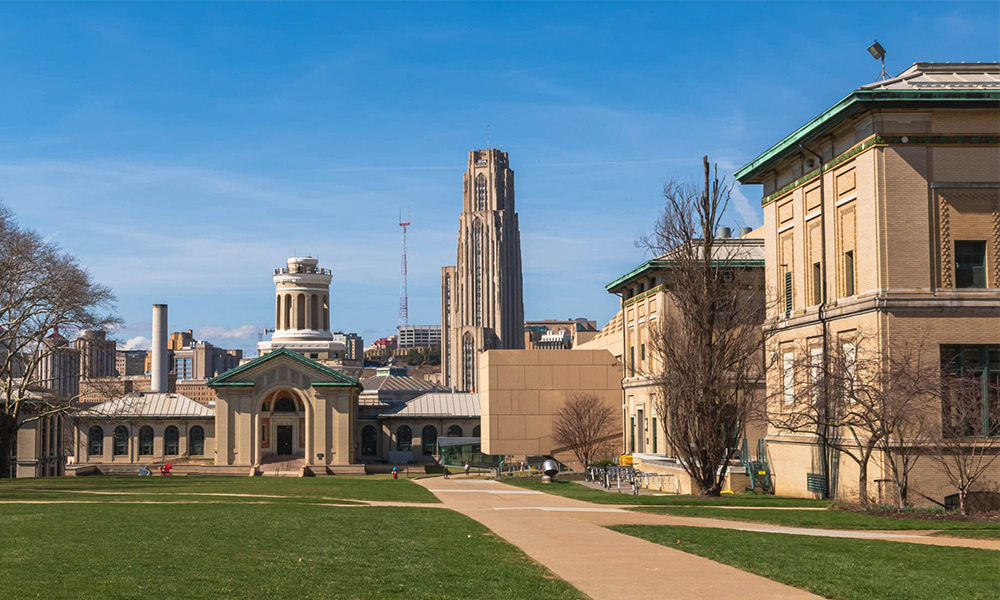
Tech, arts, and a weirdly perfect combination of both. CMU is where the computer science obsessed meet the theater kids. And somehow, that collision creates magic.
- Global Rank: #52 (QS 2026)
- Key Strength: Computer science (top 3 globally), robotics, and design.
- Career Impact: Silicon Valley, quant trading, and top tech firms. CS starting salaries often exceed $130k.
- Faculty Power: 20+ Nobel laureates and 20+ Turing Award winners for CS.
CMU is not for people who want balance. It is for people who want to build the world on their own terms and knowledge.
New York University (NYU)
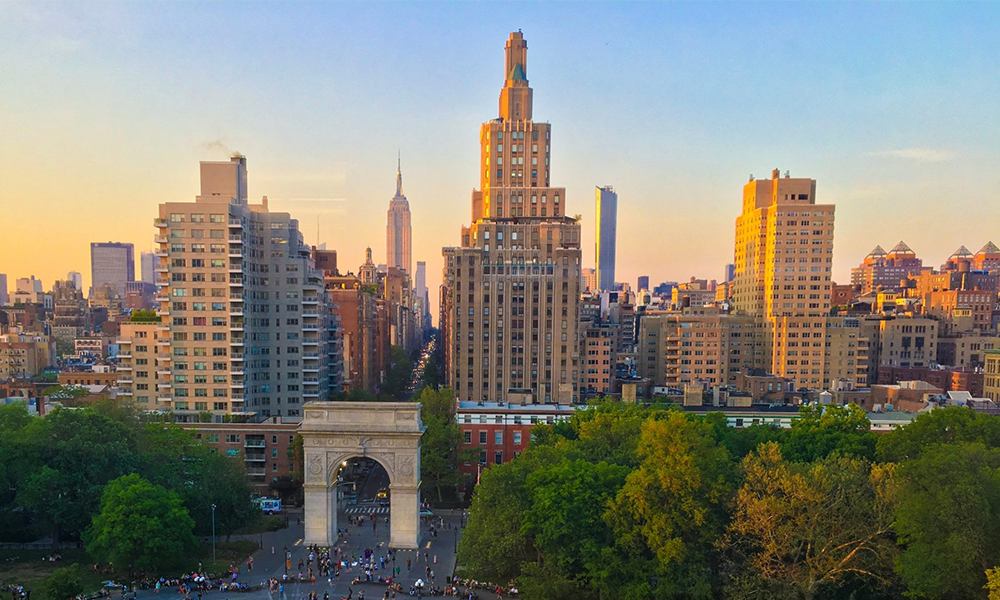
No campus. No problem. The city is your quad. NYU does not have a traditional college experience. It has a Manhattan experience. And for the right person, that is infinitely better.
- Global Rank: #55 (QS 2026)
- Key Strength: Business (Stern), film (Tisch), and law.
- Career Impact: Finance, media, fashion, and tech. Internships start freshman year.
- Faculty Power: 40+ Nobel Laureates. Above all, a global network of campuses from Abu Dhabi to Shanghai.
NYU is for people who want to be in the middle of everything. Because you will be.
Duke University
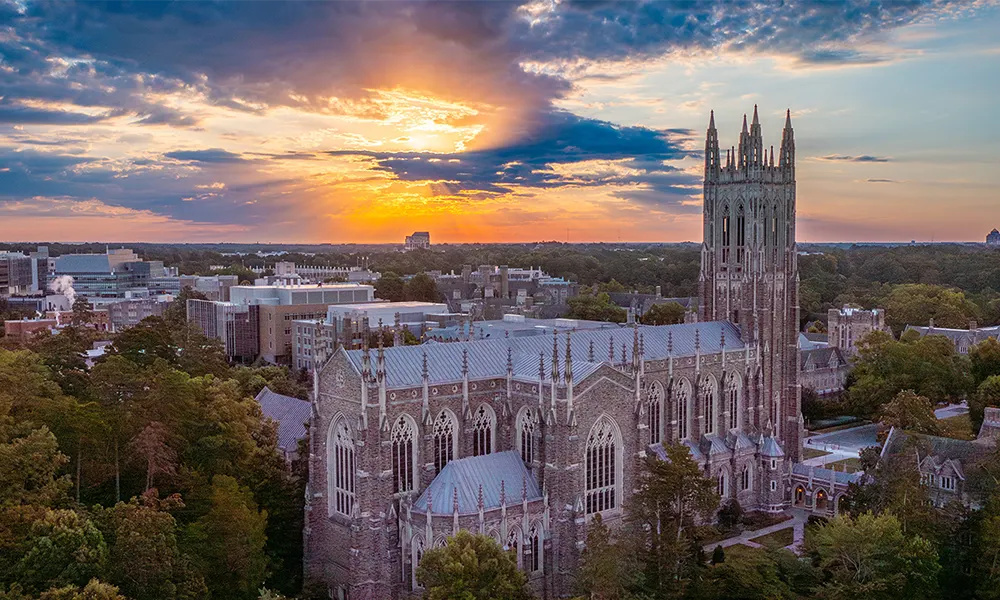
Southern charm. Northern intensity. A surprising blend that dominates. Duke is in North Carolina, but do not let the location fool you. This is a global powerhouse with a fierce competitive streak.
- Global Rank: #62 (QS 2026)
- Key Strength: Medicine, Business (Fuqua), and Law.
- Career Impact: Consulting, healthcare, and finance. The alumni network is cultivated in the best way.
- Faculty Power: 15+ Nobel laureates. Not just that, a basketball team that is basically a religion.
Duke is not just an academic. It is a lifestyle. And it works.
University of California, San Diego (UCSD)
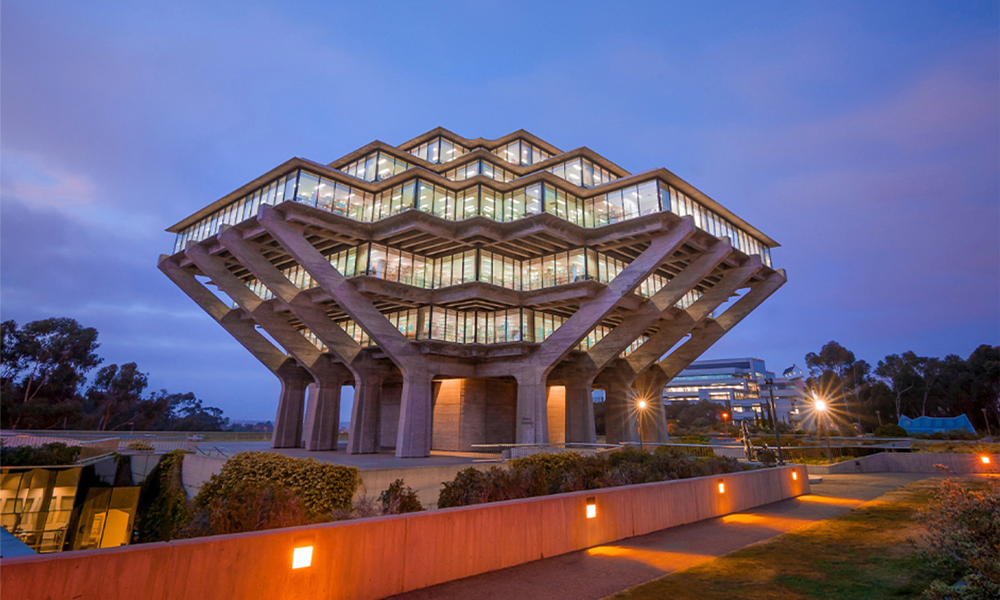
La Jolla Sunshine and World-class Science. A low-key giant (quite popular among biotech students). UCSD does not ask for attention, but it just publishes groundbreaking research and sends graduates to top biotech firms. Quietly (and bang! the world knows it)
- Global Rank: #66 (QS 2026)
- Key Strength: Biology, computer science, and oceanography.
- Career Impact: Biotech, pharma, and tech. San Diego is a hidden startup hub.
- Faculty Power: 25+ Nobel Laureates. Plus, research budgets that rival top privates.
UCSD is quiet. But do not confuse quiet for the weak.
University of Texas at Austin
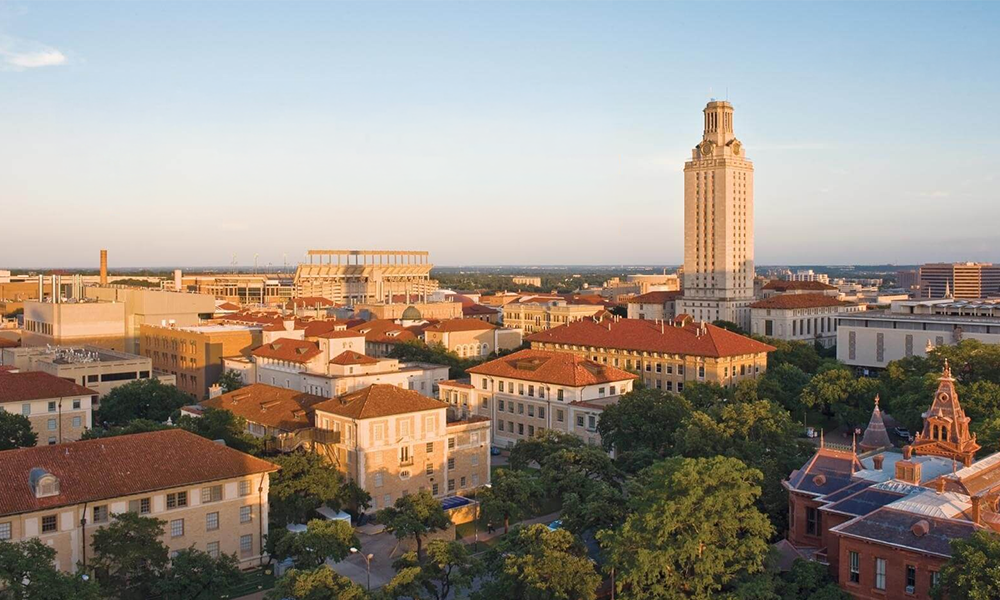
Everything is bigger in Texas. Including ambition. UT Austin has been on a rocket ship for the last decade. Top CS program. Top business school. And a city that attracts startups like a magnet.
- Global Rank: #68 (QS 2026)
- Key Strength: Engineering, Business (McCombs), and Computer Science.
- Career Impact: Tech, energy, and consulting. Austin is a booming startup city.
- Faculty Power: 15+ Nobel Laureates. Above all, it has a massive endowment that keeps growing.
UT Austin is not underrated anymore. The world figured it out.
Brown University
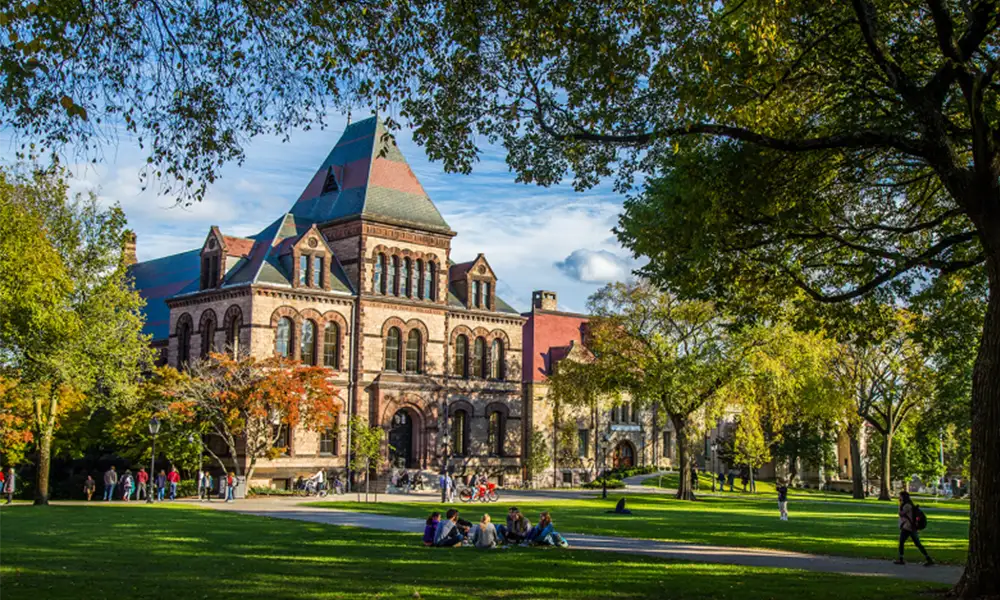
The chill Ivy. Open Curriculum. No forced requirements. Just intellectual freedom. Brown decided that required classes were overrated. Students design their own path. And the results speak for themselves.
- Global Rank: #69 (QS 2026)
- Key Strength: Arts, Humanities, and Life Sciences.
- Career Impact: Medicine, law, and academia. Brown grads are creative and adaptable.
- Faculty Power: 10+ Nobel Laureates. Plus, a culture that actually seems happy.
Brown is proof that rigorous does not have to mean miserable.
University of Illinois Urbana Champaign
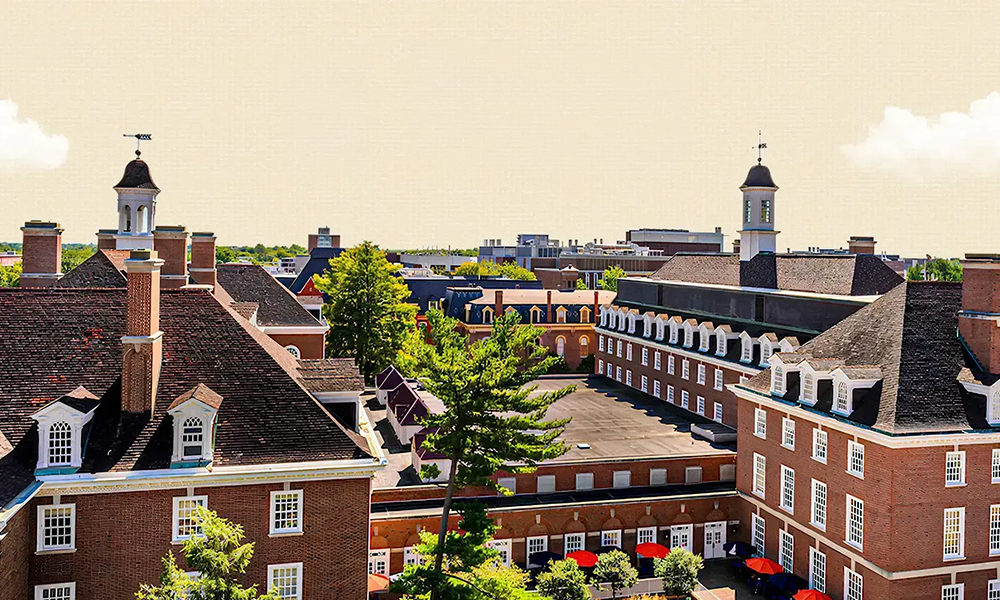
The hidden giant of engineering and computer science. UIUC is in the middle of the cornfields. That is the joke. The reality is that its CS program rivals MIT and Stanford. And employers know it.
- Global Rank: #70 (QS 2026)
- Key Strength: Computer science, engineering, and library science.
- Career Impact: Silicon Valley, quant finance, and top PhD programs. CS starting salaries are Ivy level.
- Faculty Power: 30+ Nobel Laureates. Additionally, it has one of the largest alumni networks in the world.
UIUC is not flashy. It is just absolutely good.
University of Washington
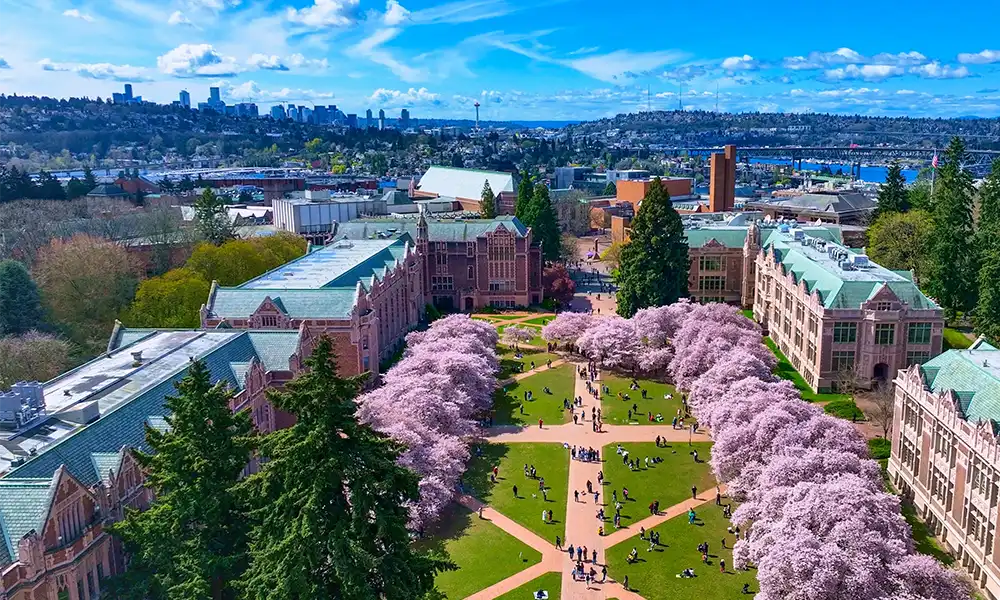
Seattle, tech, and research money that never stops. UW sits in the backyard of Amazon and Microsoft. That proximity is not an accident. It is a pipeline.
- Global Rank: #81 (QS 2026)
- Key Strength: Computer science, medicine, and environmental science.
- Career Impact: Amazon, Microsoft, and Google recruit directly. The Seattle network is real.
- Faculty Power: 20+ Nobel Laureates. Plus, the top 10 global research spending.
UW is quietly becoming unstoppable.
Pennsylvania State University
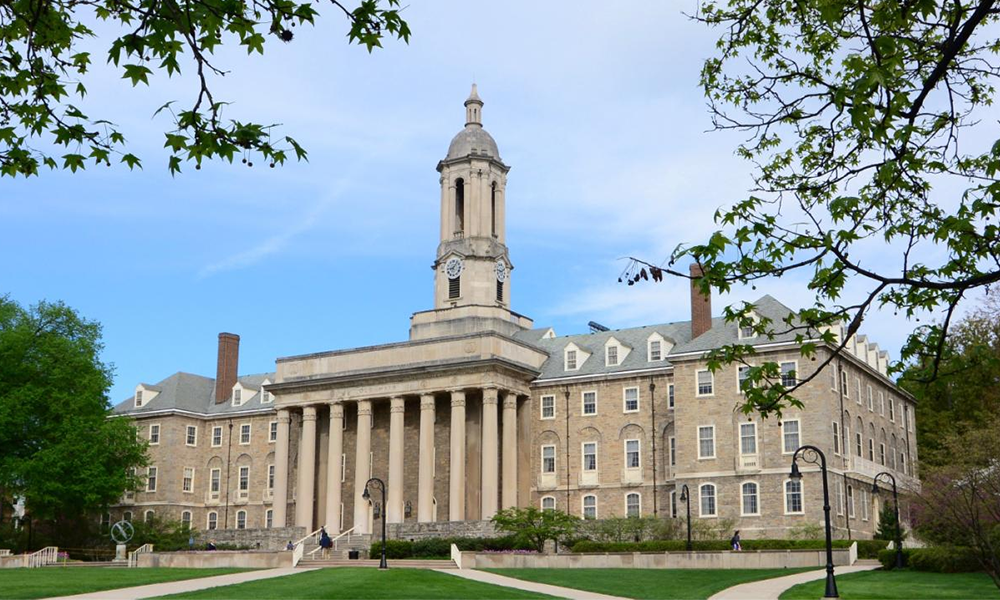
We Are. And that culture carries weight. Penn State is massive. But the alumni network is even bigger. When you graduate, you are never really on your own.
- Global Rank: #82 (QS 2026)
- Key Strength: Engineering, business, and earth sciences.
- Career Impact: Corporate recruiting across the Northeast. The alumni network is enormous.
- Faculty Power: 10+ Nobel Laureates. Plus, a reputation for turning out hard workers.
Penn State is not elite in the traditional sense. It is an elite in outcomes.
Boston University
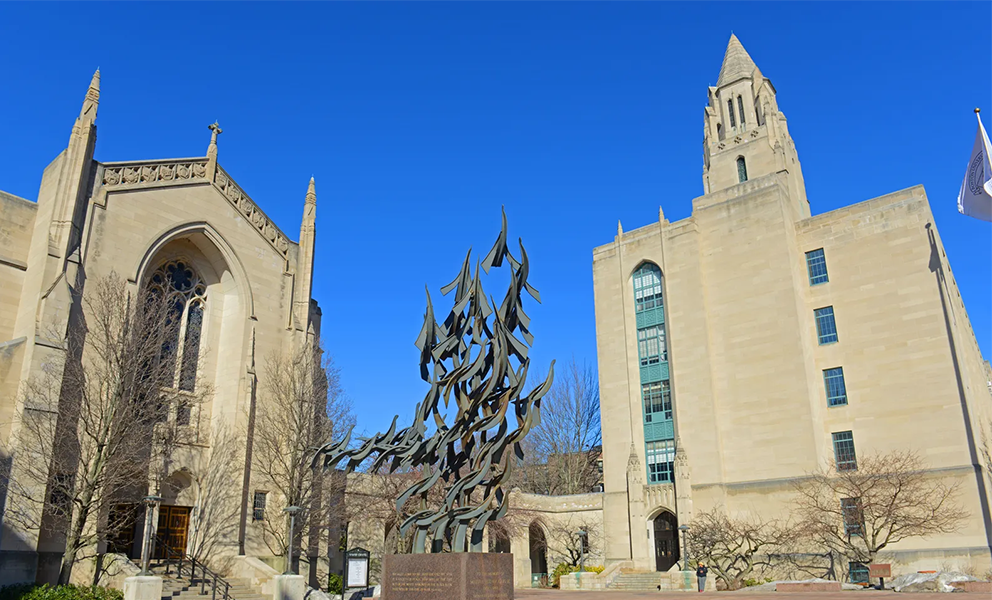
Right in the middle of America’s college town. And taking full advantage. Boston has more students than some small cities. BU is right in the action, not tucked away on a distant campus.
- Global Rank: #88 (QS 2026)
- Key Strength: Communications, business, and biomedical engineering.
- Career Impact: Healthcare, media, and finance. Boston is an internship goldmine.
- Faculty Power: 10+ Nobel laureates. Moreover, a study abroad program that is top-tier.
BU is big, ambitious, and perfectly located.
Purdue University
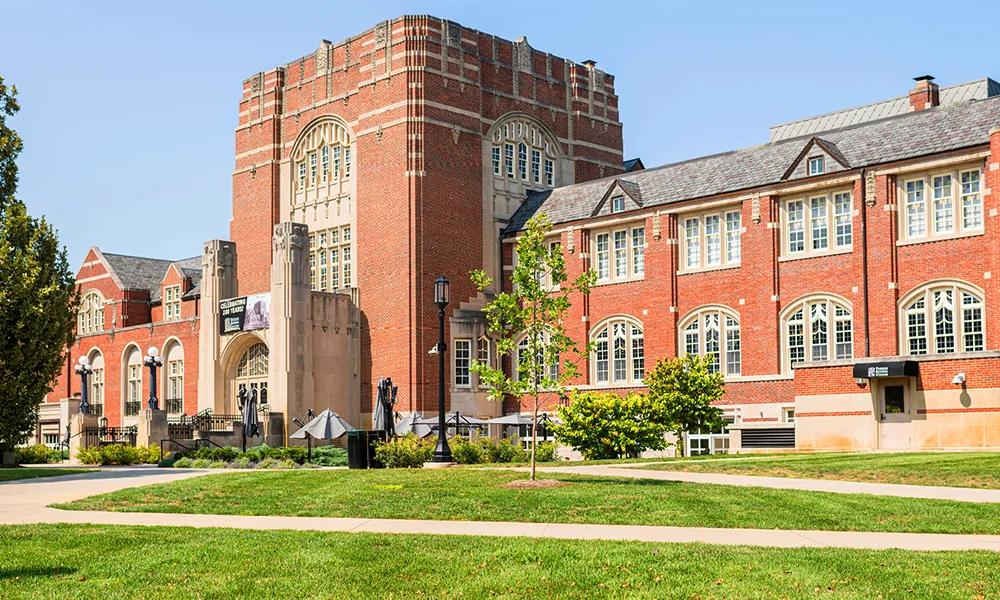
Engineering. Aerospace. And a work ethic that will not quit. Purdue does not have beaches or fancy dorms. It has labs that built the Apollo program. That is the tradeoff.
- Global Rank: #88 (QS 2026)
- Key Strength: Engineering, agriculture, and computer science.
- Career Impact: NASA, Boeing, Tesla, and top tech firms. Purdue grads build things.
- Faculty Power: 10+ Nobel laureates. Plus one of the most affordable top engineering schools.
Purdue does not care about your vibes. It cares about your output. And it shows.
The New Factor Changing How We Read These Rankings: International Student Diversity
Remember way back at the start of this blog when we said QS introduced something new this year and promised to come back to it? Well, here we are. And this one is genuinely worth the wait.
For 2026, QS added a brand new metric called International Student Diversity. It is not weighted in the final score yet, meaning it does not move anyone up or down the rankings right now. But the fact that QS, the most widely referenced university ranking system in the world, decided to start tracking it is not a small decision. That is a signal. And what QS starts measuring today usually ends up mattering a whole lot tomorrow.
So what does it actually measure?
It is not just about the percentage of international students on campus. What this metric looks at is how many different nationalities are represented within that international student body. A university could have 25% international students, but if most of that 25% is coming from the same two or three countries, that is a very different environment from a campus where the same 25% represents 120 different nationalities. Same number on paper. Completely different experiences in real life.
And that difference shows up everywhere. In your study groups. In your dorm conversations. In the career connections you make and the perspectives you carry long after graduation.
The rankings are finally catching up to what smart international students already knew. The school you pick matters. But the people you pick it alongside might matter just as much.
And The Reality
QS ranking or the college acceptance letter only helps you to get into the room, but what happens next is up to you. Whether you pick up the world’s top University (MIT) or the startup energy of Stanford or a public Ivy that leaves you debt-free, it is not always necessary that the school that is right for you is the one with the highest number on the list. Thus, when that letter comes (and it will), don’t just celebrate. Strategize. You’ve got this. Now go commit to your comeback story.
Which are the top 10 universities in the USA?
As per the QS world University Ranking, the 10 best USA universities for domestic and international students are Massachusetts Institute of Technology (1), Stanford University (3), Harvard University (5), California Institute of Technology (10), University of Chicago (13), University of Pennsylvania (15), Cornell University (16), University of California, Berkeley (17), Yale University (21), Johns Hopkins University (24), and Princeton University (25).
What is the top 5 hardest USA College to get into?
The hardest USA university to get into is California Institute of Technology, with an acceptance rate around 1.6%-3%, and Caltech is followed by Harvard University (3%-3.6%), Stanford University (3.6%-4%), Columbia University (3.8% -4%), and Princeton University (3.4% – 5%).
What are the 8 elite universities in the US?
Ivy League or the USA elite universities include Harvard University (Cambridge, MA), Yale University (New Haven, CT), Princeton University (Princeton, NJ), Columbia University (New York City, NY), University of Pennsylvania (Philadelphia, PA), Brown University (Providence, RI), Dartmouth College (Hanover, NH), and Cornell University (Ithaca, NY).
Why is MIT not an Ivy League University?
Because the Ivy League is an athletic conference, not an academic ranking. The Ivy League consists of exactly eight schools (Harvard, Yale, Princeton, Columbia, Brown, Dartmouth, University of Pennsylvania, and Cornell) that have competed in NCAA Division I sports together since 1954. MIT competes in NCAA Division III as part of a different athletic conference (NEWMAC), so it was never invited to join.
How many US universities are in QS World University ranking list 2026?
192 US universities were part of this 2026 QS university ranking list, and 1,501 universities were officially ranked in which USA stands the most ranked country and got the first place MIT (rank 1).