
Table of Contents
The QS World University Rankings 2026 are here, and once again, the United Kingdom proves why it remains one of the most trending & hot study destinations in the world. With 90 UK universities featured in the global rankings, 17 institutions ensured their place in the world’s top 100. The UK is literally out here going toe-to-toe with academic heavyweights like the United States, Switzerland, and Singapore, and still standing tall. The audacity. The excellence. We love seeing it.
To be honest, this news just hits a different note for every student who has been lowkey manifesting their UK university era. The students who have been creating the vision boards or checking out the university’s Instagram at 2 am, or asking and convincing their parents that studying abroad is actually “the move”. The QS Rankings 2026 just gave you the ultimate sign to go for it. Because the thing is, finalizing the right university is not only about giving a name to impress family or friends, but it is about THE UNIVERSITY, which genuinely aligns with your vibe, your goals, and your future.
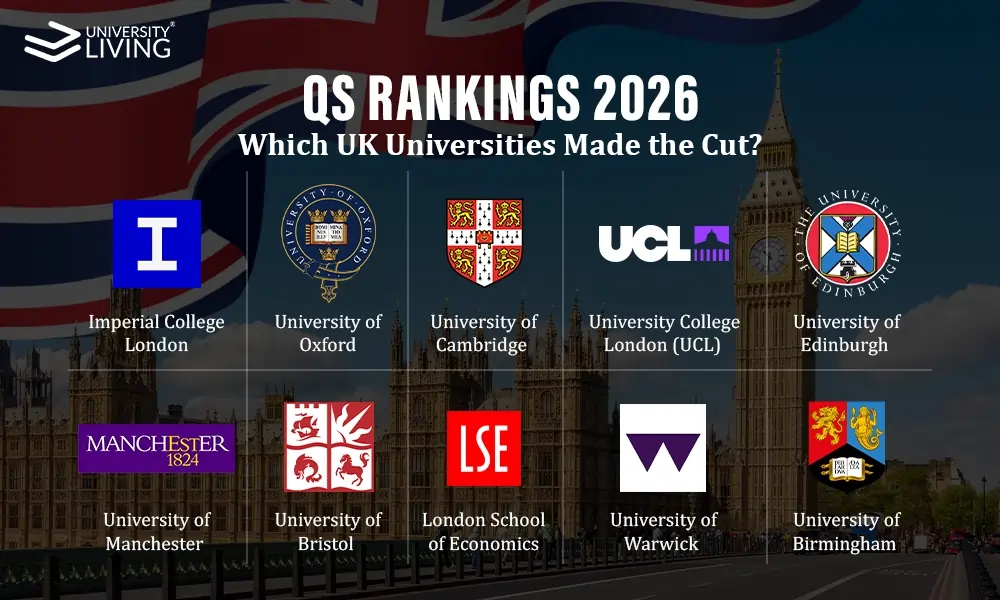
So, we did the research, broke down the rankings, and put together everything you actually need to know about the top UK universities in QS Rankings 2026 because your university era deserves to start on the right note. Let’s get into it. First, here is the list of the top universities in UK 2026, which earned their rightful position in the QS Ranking.
| University | QS Ranking 2026 | Top Streams |
| Imperial College London | 2 | Engineering, Medicine, Computer Science, Business |
| University of Oxford | 4 | Humanities, Law, Medicine, Philosophy, Politics & Economics (PPE) |
| University of Cambridge | 6 | Mathematics, Engineering, Natural Sciences, Economics |
| University College London (UCL) | 9 | Architecture, Medicine, Law, Education |
| King’s College London | 31 | Medicine, Law, International Relations, Humanities |
| University of Edinburgh | 34 | Computer Science (AI), Medicine, Literature, Philosophy |
| University of Manchester | 35 | Engineering, Business, Computer Science, Physics |
| University of Bristol | 51 | Engineering, Law, Social Sciences, Computer Science |
| London School of Economics and Political Science (LSE) | 56 | Economics, Finance, Politics, Sociology |
| University of Warwick | 74 | Business, Economics, Mathematics, Data Science |
| University of Birmingham | 76 | Engineering, Business, Medicine, Social Sciences |
| University of Glasgow | 79 | Medicine, Engineering, Life Sciences, Law |
| University of Leeds | 86 | Business, Engineering, Media Studies, Environmental Science |
| University of Southampton | 87 | Engineering, Computer Science, Oceanography |
| University of Sheffield | 92 | Engineering, Architecture, Journalism, Materials Science |
| Durham University | 94 (=) | Law, Business, Humanities, Theology |
| University of Nottingham | 97 | Pharmacy, Engineering, Business, Agriculture |
Why the UK Remains a Top Destination for International Students?
This list of UK universities ranking is not only proof that, till today, the United Kingdom is also still the gold standard in the world of global education. Plus, this list is not only derived from historic campuses and afternoon tea (though those are nice perks!). The UK education system offers:
- World-class education (not only a theoretical base, but also a real-world application that prepares students to solve complex global challenges)
- Shorter course durations (most UG courses- 3 years, PG -1 year = saving time & money)
- High employability (Postgraduates: approximately 90%, Graduates: approximately 87.7%)
- Cultural diversity (international students approximately 24%)
- Post-study work opportunities (Graduate route visa, Skilled worker visa, Specialized Visa Routes)
Fun Fact: The United Kingdom is the second-most Nobel Prize-winning country (145-148 awards). That basically means a nation full of big-brain energy.
What’s New in QS Rankings 2026?
You all are already aware of the lens of Quacquarelli Symonds, which helps to pin down the QS ranking UK universities list. However, in the latest June 2025 release, QS has added a new factor called International Student Diversity, yet it does not directly add a percentage, but it allows students to pick the right uni for themselves.
What is the International Student Diversity Factor in QS?
Simply put, the ISD in QS is not directly proportional to the number of students in one particular university, but it is about how many nationalities it hosts. However, it’s currently an unweighted indicator (meaning it doesn’t directly affect scores), but it signals where the rankings are heading.
Why does this matter to you? This shift means UK universities will likely become even more welcoming to students from diverse backgrounds. However, some institutions might balance their intake more carefully, so staying informed is key.
The next question that might be rising in your mind, so how will this year Quacquarelli Symonds calculate the ranking? Relax, we got you. Below, we will mention all the factors, which have been considered prior to releasing the list of QS world university rankings
How QS Rankings Actually Work (2026 Methodology)
| Indicators | Weighting |
| Academic Reputation | 30% |
| Citations per Faculty | 20% |
| Employer Reputation | 15% |
| Employment Outcomes | 5% |
| Faculty Student Ratio | 10% |
| International Faculty Ratio | 5% |
| International Research Network | 5% |
| International Student Diversity | 0% |
| International Student Ratio | 5% |
| Sustainability | 5% |
With these factors, the QS ranking top universities comes to us. Now, we must dive into our blog topic, best universities in the UK 2026 by QS.
Leading UK Universities Ranked in QS Top 100 (2026)
Okay, so here is the part you have been waiting for this long. Let’s break down what made these United Kingdom universities be under the QS ranking top 100, and why students rely on this. So, let’s begin,
Imperial College London
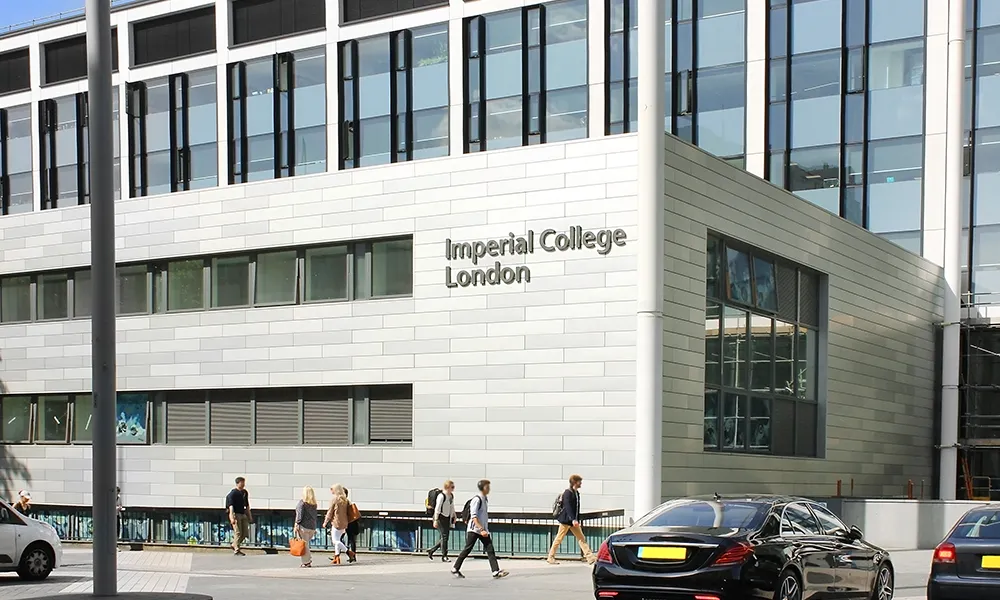
This college ranked 2nd on the QS Top Universities list in 2026, just right behind MIT (Massachusetts Institute of Technology). And the reason ICL is leading the UK’s university league is honestly not surprising at all, because Imperial has always been built differently. Moreover, Imperial College London has won University of the Year for Graduate Employment 2026 by The Times and Sunday Times Good University Guide 2026.
ICL Snapshot-
- Founded 1907: Merger of three science & engineering colleges under Royal Charter
- 14 Nobel Prizes: Including Fleming (penicillin) and Salam (electroweak theory)
- Legendary alumni: Queen’s Brian May (astrophysicist), H.G. Wells (sci-fi author), Rajiv Gandhi (former India PM), and Roger Bannister (sub-4-minute mile)
ICL ranked 1st in the UK for research quality and environment in the latest Research Excellence Framework (REF), which is one of many other prestigious feathers in this institution’s cap. Now comes the main part-
Why does Imperial College London rank in QS?
Imperial College London QS ranking is 2nd, and to be real, it reached there, not just because of the great research-oriented courses (Science, Technology, Engineering, Medicine, and Business (STEMB)) it offers, but it is because Imperial is serving stats, sustainability, and serious career energy. If you want world-class rep and real-world impact, this is your main character moment. However, here are the stats that ensures that ICL ate and left no crumbs:
- Employer Reputation is 100/100: Graduates are widely considered job-ready by top global recruiters.
- Academic Reputation is 99.6/100: Respected by over 100,000 academics worldwide.
- Citations per Faculty is 95/100: High-impact research that tackles real-world challenges.
- International Student & Faculty Ratios are 100/100: Over 60% of students represent 140+ countries.
- International Research Network is 97.5/100: Strong global partnerships.
- Sustainability is 98.3/100: Ranked 6th globally; net-zero by 2040 target.
- Employment Outcomes is 95.9/100: Proven graduate success in competitive markets.
- Faculty-Student Ratio is 99.3/100: Small class sizes, personalized attention.
ICL isn’t just a rankings giant (#2 globally). It’s a place where penicillin, holograms, rock stars, and prime ministers cross paths. You can find everything under one Royal Charter: Science. Music. Leadership. Legacy.
University of Oxford
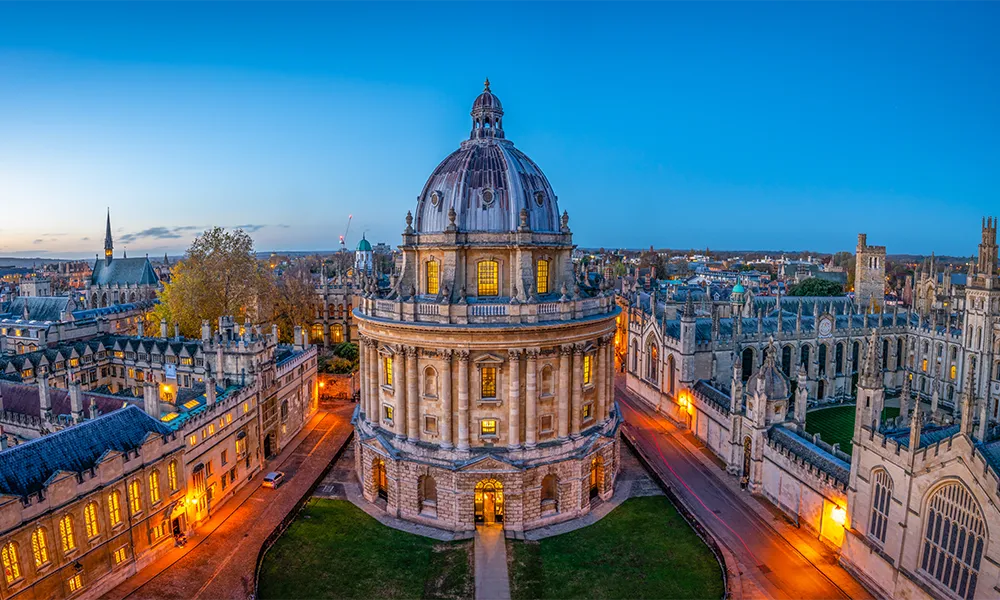
Well, in 2026, Oxford is sitting comfortably 4th in the world, right behind MIT and Imperial. But here’s the thing. Oxford doesn’t need to scream about rankings. It’s been doing its thing since before the Aztec Empire even existed. We’re talking about 1096. Yeah, you read that right.
University of Oxford Quick Fact
- Founded c. 1096 (no one knows the exact year. That’s how old we’re talking.)
- 76 Nobel Prize winners (including Malala, Stephen Hawking’s old crew, and many more)
- 30+ world leaders, 50 Olympic medalists, J.R.R. Tolkien (Hobbit energy), Oscar Wilde (savage wit), Hugh Grant (awkward charm), and Indira Gandhi (former India PM)
While Imperial is the shiny new-age rocket ship, Oxford is the ancient oak tree that’s somehow still growing taller every year. And it just won University of the Year 2026 in The Times and Sunday Times Good University Guide. Not just for employment, but for everything. Teaching. Research. Student satisfaction. Even the pubs. Now, the main question people ask
Why does the University of Oxford rank in QS?
Let’s be real. Oxford isn’t trying to be cool. It just is. You don’t get to be the oldest English-speaking university in the world and still top every global chart unless you’re doing something very, very right. And here’s the stat sheet that proves Oxford is still killing it. Here’s how
- Academic Reputation is 100/100: When other universities want to know how to teach, they look at Oxford. Simple as that.
- Employer Reputation is100/100: Oxford grads don’t find jobs. Jobs find them. McKinsey, Google, the UK Cabinet. They literally send recruiters to Oxford’s career fairs like it’s Black Friday.
- Citations per Faculty is 92/100: Research that actually changes medicine, AI, climate policy, and even how we understand ancient poetry.
- International Student Ratio is 99/100: Over 160 countries. You’ll sit next to a future president, a jazz musician, and a CRISPR scientist. All in the same college dining hall.
- Faculty-Student Ratio is 98.7/100: The tutorial system means you can’t hide. Two students, one professor, and nowhere to run. Terrifying? Yes. Effective? Absolutely.
- Sustainability is 96/100: Oxford just pledged to fully divest from fossil fuels by 2030. And their Environmental Change Institute is basically saving the planet one paper at a time.
- Employment Outcomes is 94/100: Even philosophy majors get snatched up. No joke. Employers love Oxford-trained brains.
Fun fact: Oxford has a library called the Bodleian that is so old, it used chains on books. Not a metaphor; it was actual chains.
University of Cambridge
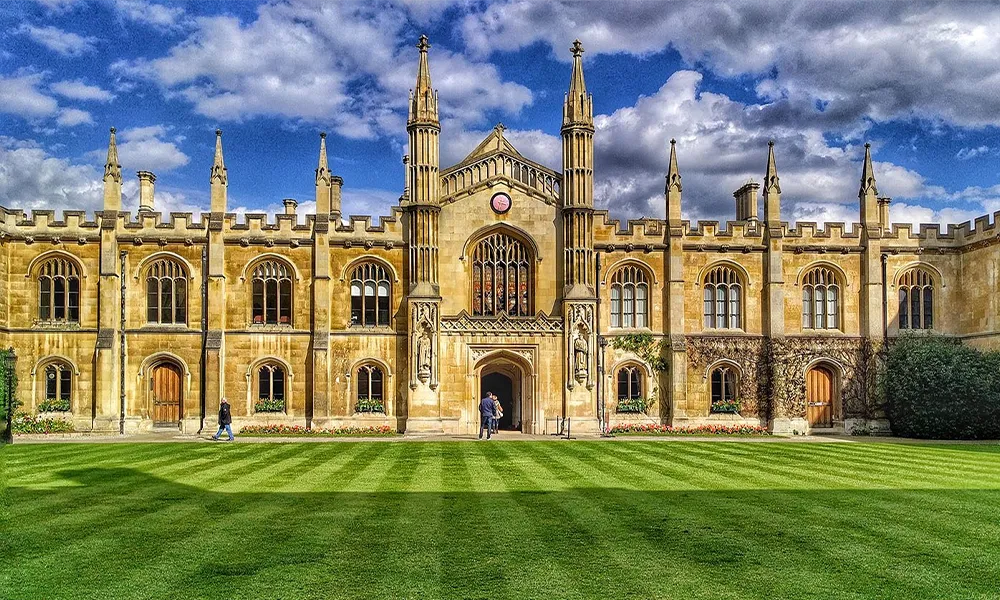
Cambridge doesn’t yell about rankings (QS 2026 ranking is 6th). It hasn’t been needed since 1209. That’s right. Before the printing presses. Before the Ming Dynasty. Before your ancestors even had a last name. It’s not just a university. It’s a whole vibe.
Cambridge in a click
- Founded 1209: A bunch of Oxford scholars had a fight and left. Best petty decision in history.
- 121 Nobel Prizes: DNA, electrons, the universe. Also 11 Fields Medals in maths. No big deal.
- Legendary alumni: Isaac Newton (apple guy), Charles Darwin (beagle guy), Alan Turing (computer guy), Stephen Hawking (black hole guy), Sylvia Plath (poetry that hurts), David Attenborough (your childhood narrator).
Why Cambridge ranks the way it does
- Employer Reputation is 99.8/100: Recruiters don’t just like Cambridge grads. They compete for them.
- Academic Reputation is 100/100: It is Hard to argue when 89 living Nobel winners wander between colleges.
- Citations per Faculty: 98.5/100: This place was invented to “publish or perish.” Then perfected it.
- Faculty Student Ratio is 98.7/100: The supervision system. One or two students. One professor. One hour. One essay. No hiding.
- Employment Outcomes is 96.8/100: CEOs, founders, coders, creators. Cambridge doesn’t fill jobs. It defines them.
University College London
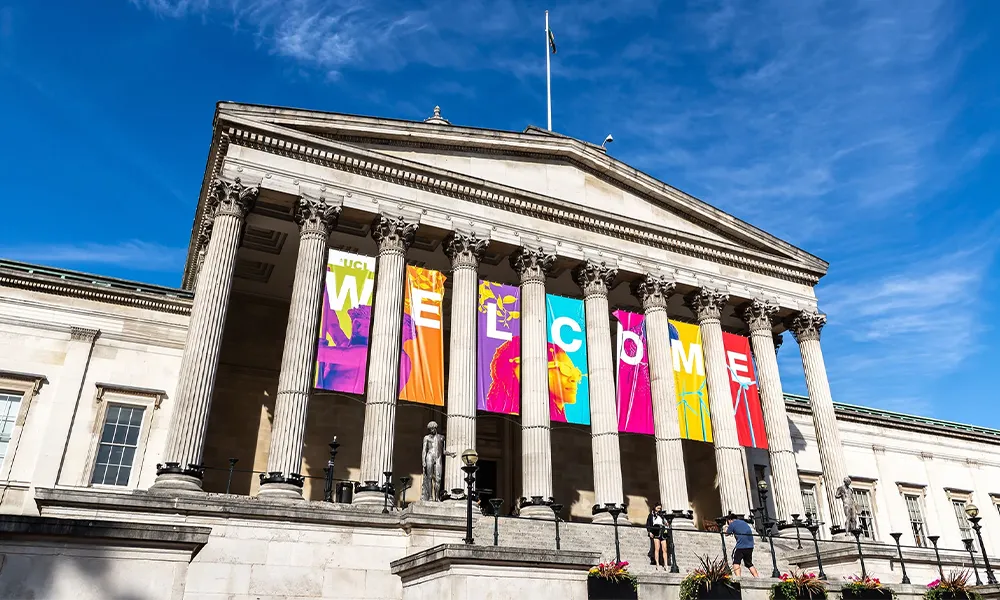
In the QS 2026 world top universities ranking, UCL is sitting at 9th in the world. Solidly in the global top 10. No drama. No decline. Just consistency. But here’s the thing. UCL doesn’t flex about being old. It flexes about being first. First English university to admit students of any religion. First to admit women on equal terms. First to say: excellence doesn’t have a dress code.
University College London in 30 seconds
- Founded 1826 (the original disruptor)
- 30 Nobel Prize winners, including Francis Crick (DNA double helix)
- First in England to let women earn degrees (1878)
- Alumni roster: Mahatma Gandhi, Alexander Graham Bell, Christopher Nolan, and yes, all of Coldplay
If Oxford is the grand library and Imperial is the high-tech lab, UCL is the startup that somehow also runs the hospital, the law firm, and the film studio. It’s London’s most applied-to university. Not because it’s famous. Because it works. Now, the main question people ask:
Why does UCL rank in QS?
UCL doesn’t chase rankings. Rankings chase UCL. You don’t stay top 10 worldwide for years unless you’re actually delivering. Here’s the proof.
- Academic Reputation is 99.6/100: Academics across 175,000+ survey respondents put UCL in the global elite. No debate.
- Employer Reputation is 98.9/100: Recruiters don’t just like UCL grads. They hunt them. Banking, tech, medicine, and creative industries. Everyone shows up.
- Citations per Faculty is 90.5/100: From the first IVF baby to groundbreaking neuroscience, UCL research doesn’t sit on shelves. It changes lives.
- International Student Ratio is 100/100: Perfect score. 150+ nationalities. One campus. Your next group project might involve three continents and four languages.
- International Research Network is 97/100: UCL collaborates globally like it’s running out of time. Because the world’s problems can’t wait.
- Sustainability is 94.5/100: Net-zero by 2030 isn’t a slogan. It’s a deadline. And UCL is actually on track.
- Employment Outcomes is 88.6/100: Even the humanities grads get offers. Seriously. Employers want UCL brains. Period.
Fun fact: UCL has a real mummy. Not the Egyptian kind. The philosopher kind. Jeremy Bentham’s actual preserved body sits in a cabinet near the student union. They bring him to important meetings. No joke. That’s the level of quirky confidence we’re dealing with.
King’s College London
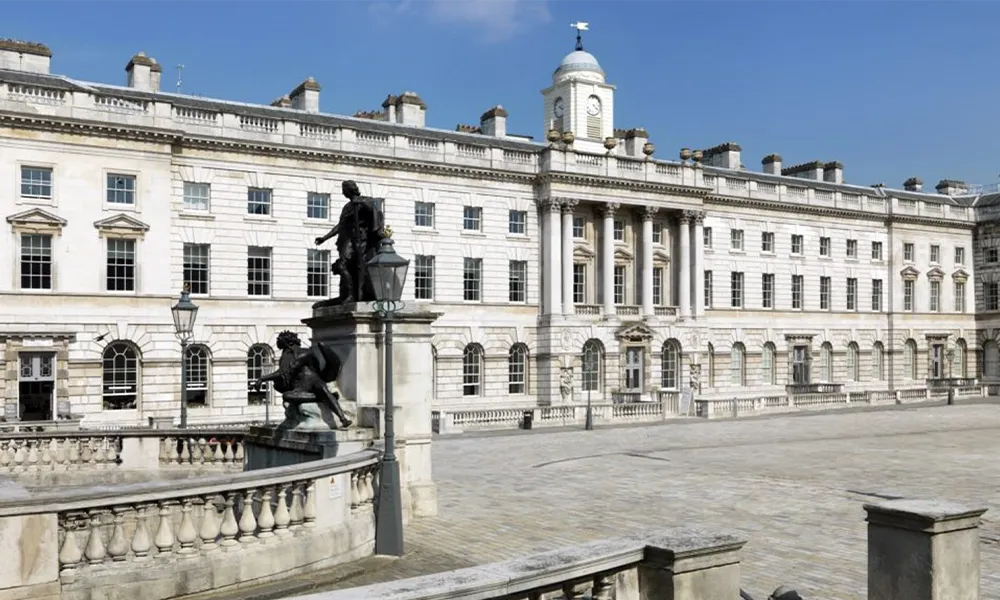
KCL consistently ranks among the top 40 universities globally, a list generated by QS, and this year King’s College London has made its place at the top 31 in the world. It is a founding member of the Russell Group, and in March 2025, KCL was ranked the best university in the world for nursing for the second consecutive year, just another proud moment for the nursing students at this university.
KCL Snapshot
- Founded 1829 by Royal Charter: with medical school roots dating back to 1561
- 14 Nobel Prize winners: Including Maurice Wilkins (DNA structure), Desmond Tutu (anti-apartheid), Peter Higgs (Higgs boson), and Roger Penrose (black holes)
- Beyond Nobels: Affiliated with 3 Academy Awards (including Michael Caine) and multiple Lasker Awards
- Recent recognition: Alumna Errollyn Wallen appointed Master of the King’s Music in 2024
KCL is also in the Golden Triangle of elite UK universities because of its research impact on the world. Moreover, it continues to lead to healthcare and AI.
Why does King’s College London rank in QS?
- Academic Reputation is 96.2/100: Respected by over 175,000 academics worldwide.
- Employer Reputation is 99.2/100: 6th in the UK for graduate employability.
- Employment Outcomes is 94/100: Rapid rise from 80 in previous rankings.
University of Edinburgh

Founded in 1583, the University of Edinburgh is one of the world’s oldest and most respected universities. It was the first in the English-speaking world to offer a degree in English literature. The city itself is a UNESCO World Heritage Site, and the university’s Georgian and Gothic buildings are woven into every corner. Academically, Edinburgh is a powerhouse. Dolly the sheep was cloned here. James Clerk Maxwell laid the foundations of electromagnetism here. Three UK prime ministers and nine Nobel laureates walked these cobblestones. Alumni include Charles Darwin, Sir Arthur Conan Doyle, and Alexander Graham Bell. The University of Edinburgh QS ranking is 34 and holds its head high as Scotland’s finest.
University of Manchester
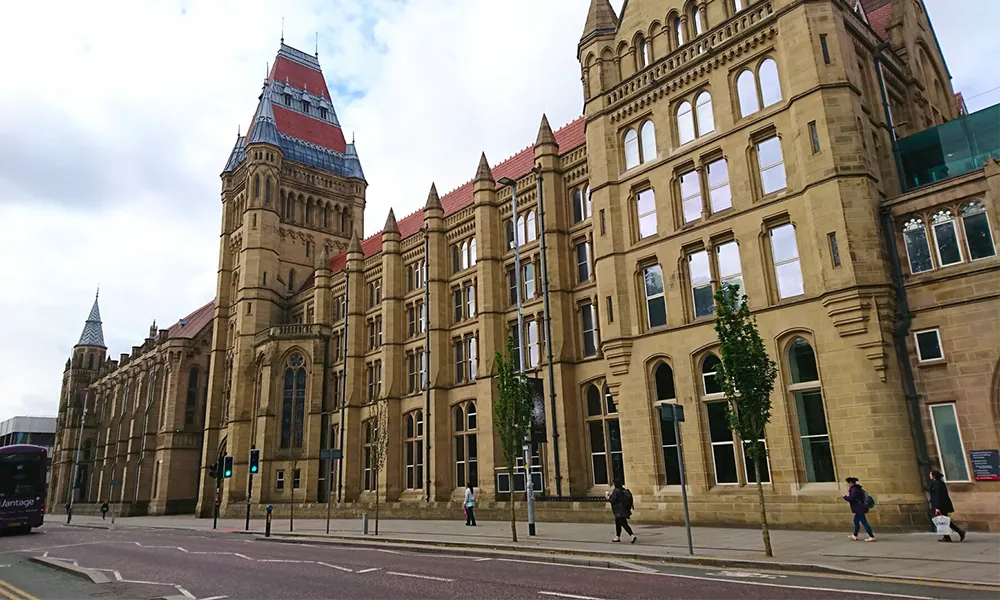
The University of Manchester was born in 2004 from the merger of two great institutions, but its roots stretch back to 1824. It is the original red brick university, built for the sons of industrial revolution mill owners. And what a legacy it carries. Ernest Rutherford split the atom here. The University of Manchester QS ranking is 35, and this uni is proudly northern. The world’s first modern computer, the Manchester Baby, ran here. Twenty-five Nobel laureates have been associated with this university. Alumni include the novelist Anthony Burgess, the physicist Brian Cox, and three Indian prime ministers, including Indira Gandhi. Manchester, the city, is loud, rainy, and friendly. The university matches that energy.
University of Bristol
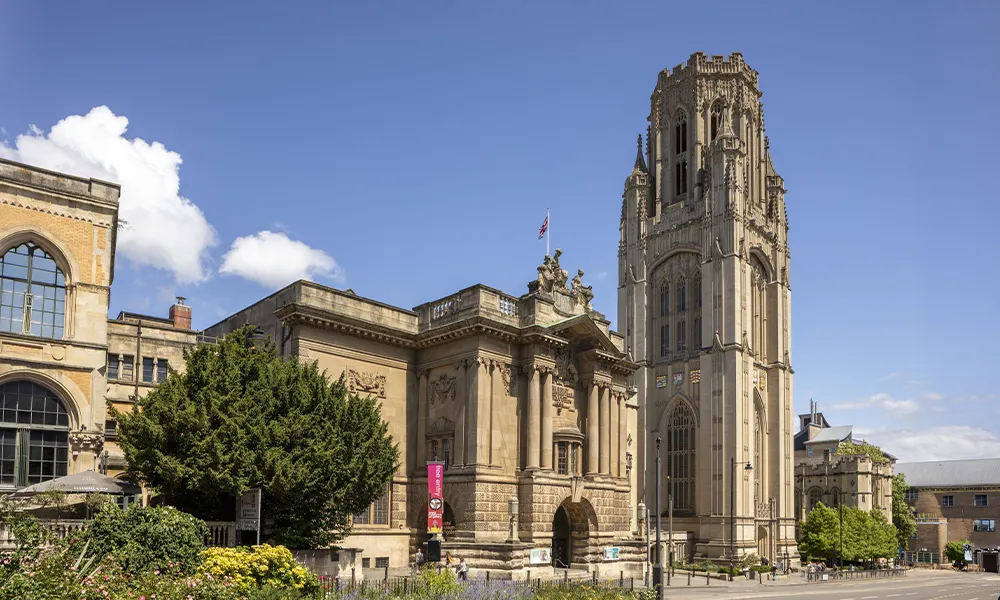
Bristol received its royal charter in 1909, but its roots lie in University College Bristol, founded in 1876. The city is quirky, creative, and full of street art, including works by the elusive Banksy. Academically, Bristol is a force in engineering, film and television, social sciences, and law. The University of Bristol QS ranking is 51 and quietly brilliant without the drama.
The university has produced thirteen Nobel laureates, including Paul Dirac, one of the founders of quantum mechanics. Alumni include the actor Simon Pegg, the comedian David Walliams, and the author Angela Carter. The campus clings to a hillside overlooking the city, and on a clear day, you can see the Severn Bridge.
London School of Economics and Political Science (LSE)
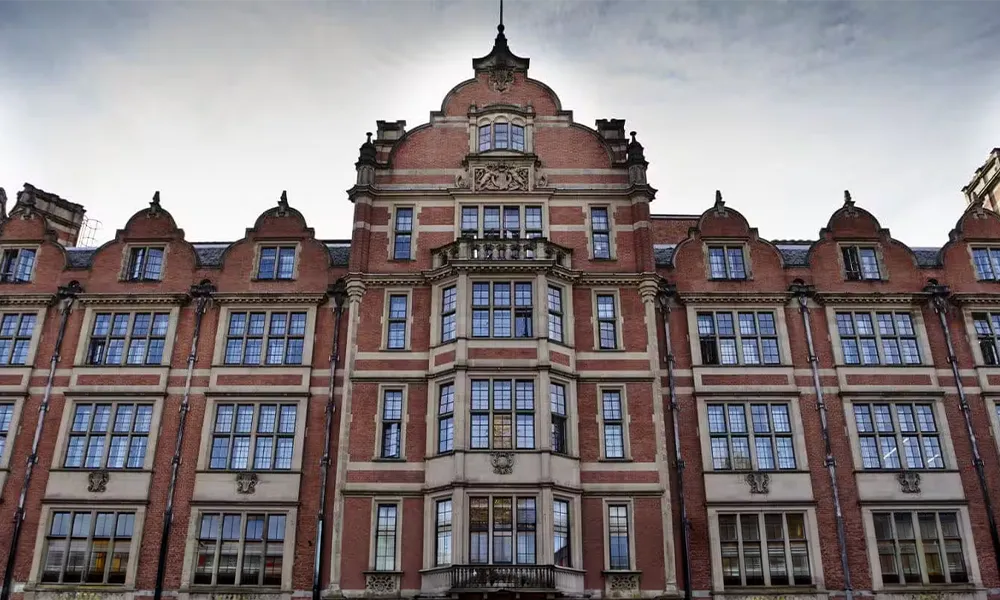
LSE was founded in 1895 by Fabian Society members Beatrice and Sidney Webb, along with George Bernard Shaw. The goal was to study poverty and inequality, and from that small mission grew to one of the most influential universities in the world. The campus is tiny, just a few streets off the Strand, but its impact is massive. Eighteen Nobel laureates have walked its corridors. The London School of Economics and Political Science QS ranking is 56, and it is almost insulting given its real-world power.
Thirty-seven past or future world leaders studied here. Alumni include John F. Kennedy, Mick Jagger, and Cherie Blair. LSE graduates run central banks, shape foreign policy, and dominate think tanks. Nobody comes here for fun. You come to argue, to write, and to become someone.
University of Warwick
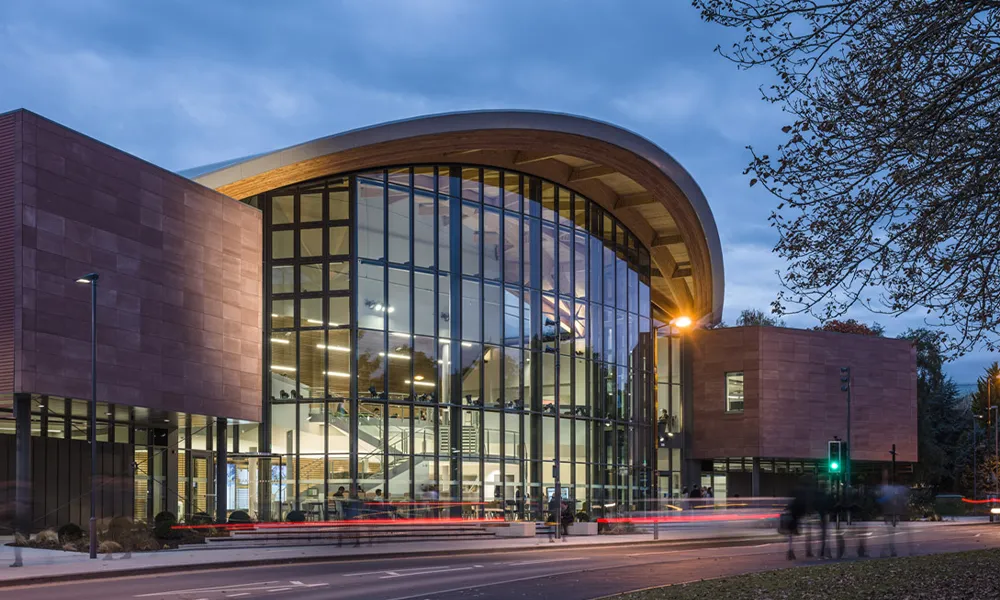
Warwick is the baby of the group, founded in 1965 as part of a government push to expand higher education. No ancient traditions. No dusty chapels. Just a modern, purpose-built campus in the Midlands near Coventry. And yet, Warwick grew fast. Its mathematics department is world-class. Its business school is elite. Its economics and politics departments produce graduates who walk straight into top jobs.
It has produced an array of famous alumni, including the novelist Helen Oyeyemi, the actor Stephen Merchant, and a string of CEOs. The campus has its own lake, its own art center (the largest outside London), and a reputation for being fiercely employable. The University of Warwick QS ranking is 74, and it is absolutely fine being the overachieving younger sibling.
University of Birmingham
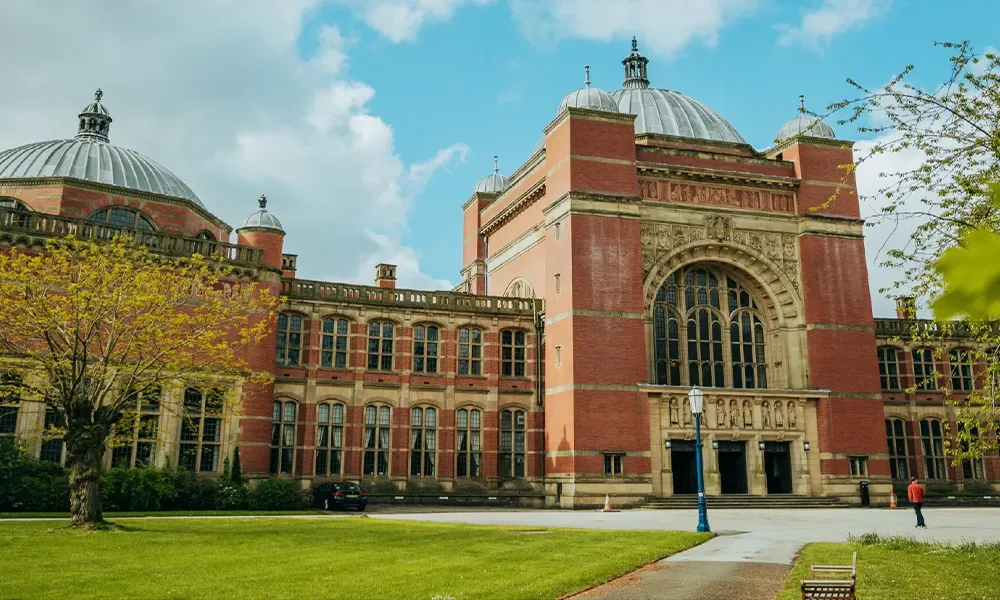
Birmingham received its royal charter in 1900, but its roots go back to Joseph Chamberlain’s vision of a university for the people in the 1870s. It is the original red brick university, built in the city that powered the Industrial Revolution. The campus is beautiful, with its red brick clock tower, Old Joe, standing taller than Big Ben. Moreover, the University of Birmingham QS ranking is 76, yet it punches above its weight in graduate employment.
Academically, Birmingham excels in medicine, engineering, law, and geosciences. The Barber Institute discovered synthetic vitamin C. Alumni include the writer J.R.R. Tolkien, the actor Tilda Swinton, and eleven Nobel laureates. The university has its own train station, its own art gallery, and a genuine commitment to social mobility.
University of Glasgow
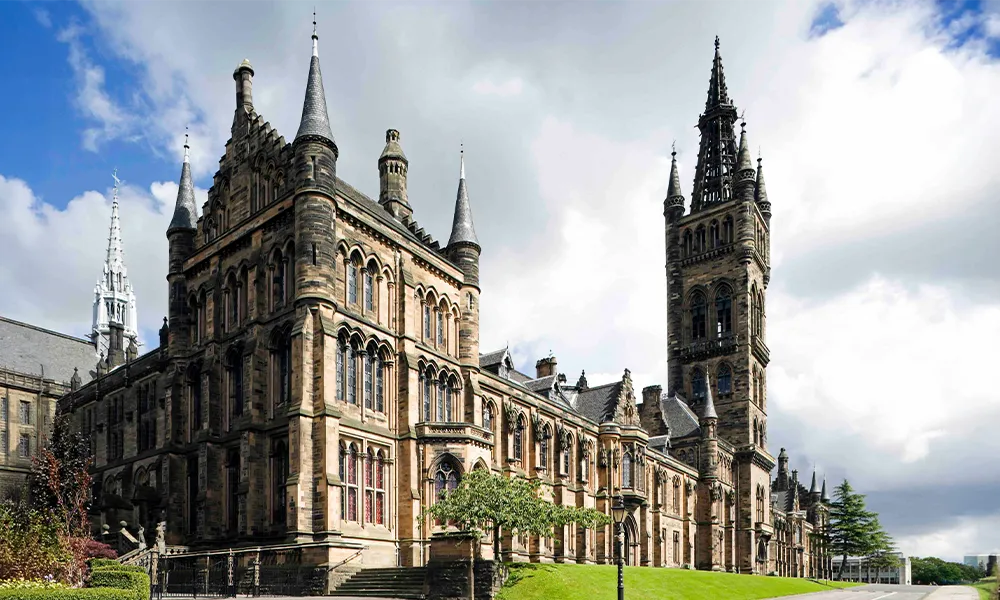
The University of Glasgow was founded in 1451, making it the fourth-oldest university in the English-speaking world. That is older than the printing press in England. Older than Columbus reaching the Americas. The main building, designed by Sir George Gilbert Scott, looks like a Gothic cathedral that accidentally became a university. Academically, Glasgow is a titan.
Adam Smith, the father of modern economics, taught here. James Watt, the father of the steam engine, worked here. Seven Nobel laureates and two UK prime ministers are among its alumni. The university is also a leader in medicine, veterinary science, and law. The University of Glasgow QS ranking is 79, but it is consistently rated among the top ten in the UK for student satisfaction. Ancient and still hungry.
University of Leeds
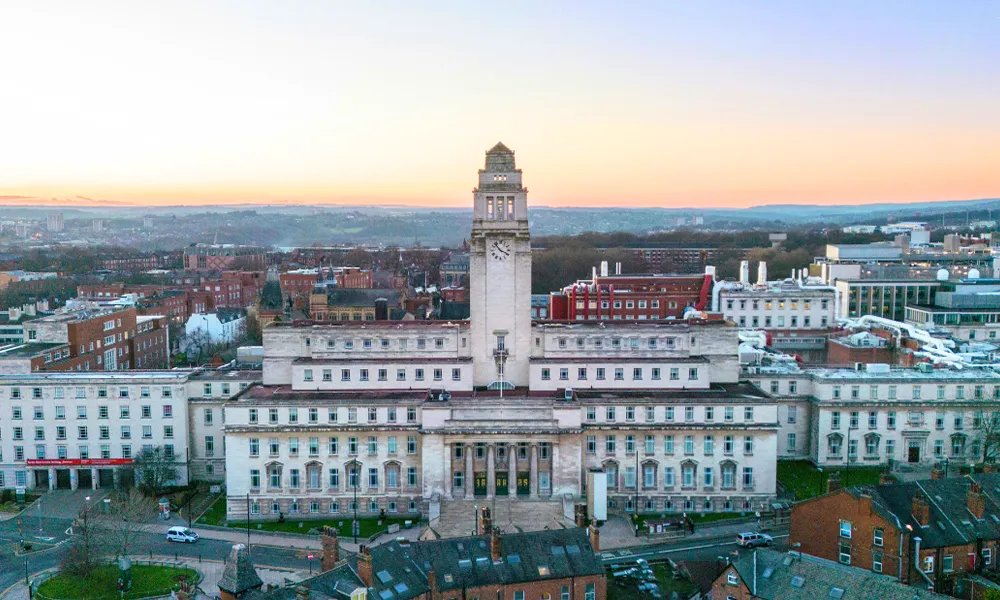
The University of Leeds received its royal charter in 1904, though its origins lie in the Yorkshire College of Science, founded in 1874. It is one of the great red brick universities, built to serve the industrial heartland of northern England. The campus is big, red, and full of northern warmth. The University of Leeds QS ranking is 86, and it climbs every year.
Leeds, the city, is a student paradise: cheap student accommodation UK, great nightlife, friendly faces, and a thriving music scene. Academically, Leeds excels in medicine, engineering, business, and environmental science. Alumni include the Spice Girls’ Mel B, the actor Peter O’Toole, and six Nobel laureates. The university is also a global leader in food science and textile engineering.
University of Southampton
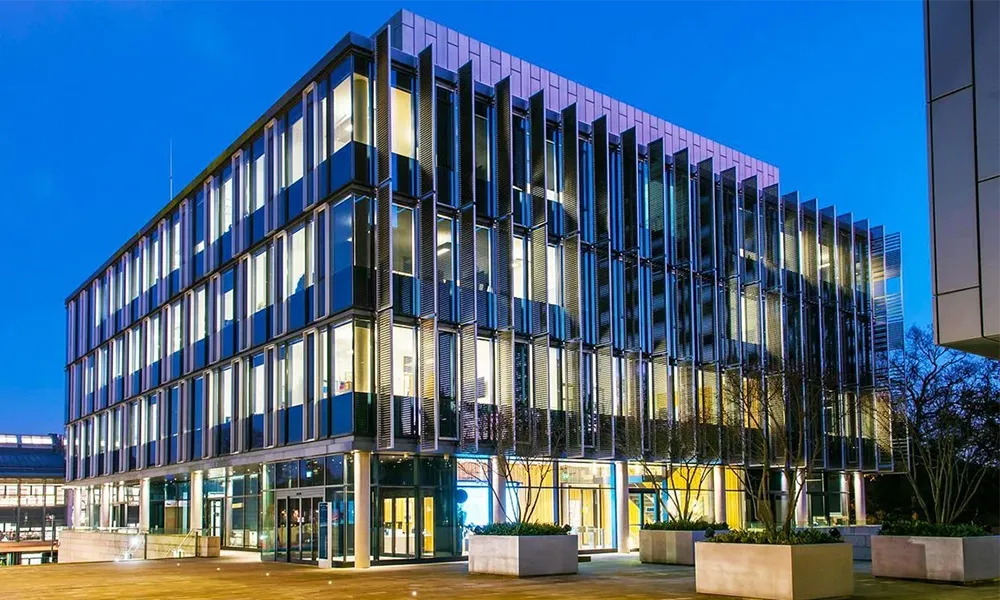
The University of Southampton was founded in 1862 as the Hartley Institution and received its royal charter in 1952. It is a research-intensive university with a quiet but mighty reputation. Southampton is home to the UK’s National Oceanography Centre, making it a world leader in marine and earth sciences. The University of Southampton QS ranking is 87, but it is absolutely essential to British innovation.
It helped design the Concorde’s wings and continues to lead in aerospace engineering, computer science, and nursing. The campus is located just a few miles from the south coast, so you can stress about exams and then stare at the English Channel. The top alums include five Nobel laureates, the author Salman Rushdie, and the actor John Hurt.
University of Sheffield
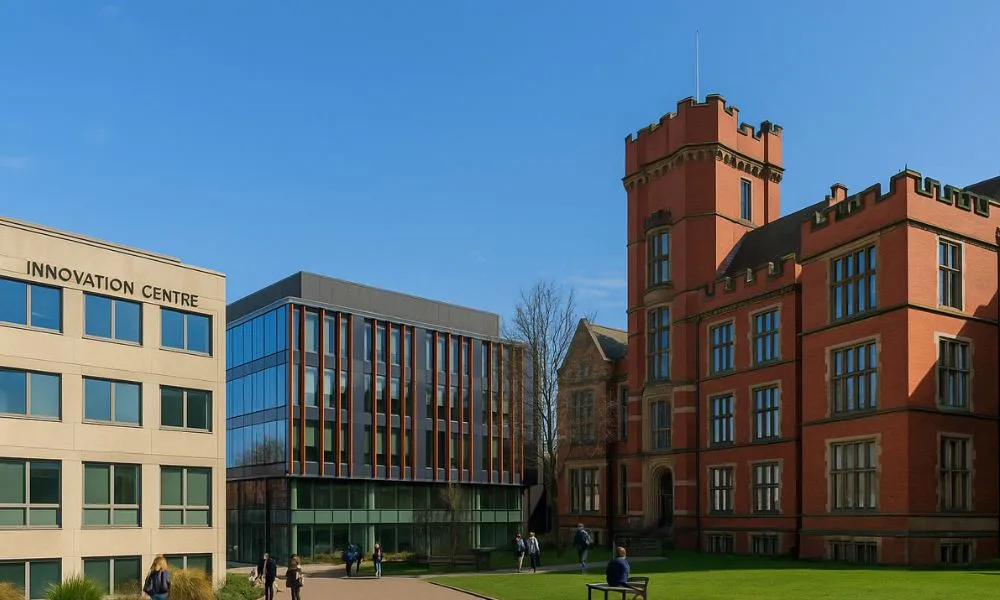
The University of Sheffield was founded in 1905 as a union of three earlier colleges. It is a red brick university in the middle of a steel city. Sheffield has a reputation for being genuinely friendly, and the students’ union has been consistently voted best in the UK. That is not a fluke.
Moreover, Sheffield excels in engineering, journalism, architecture, and materials science. The university is a global leader in nuclear fusion research and advanced manufacturing. Alumni include five Nobel laureates, the actor Michael Palin, and the author Hilary Mantel. The Peak District National Park is a ten-minute drive from the campus. The University of Sheffield QS ranking is 92, but it is in the top five in the UK for student experience. Numbers do not always tell the full story.
Durham University
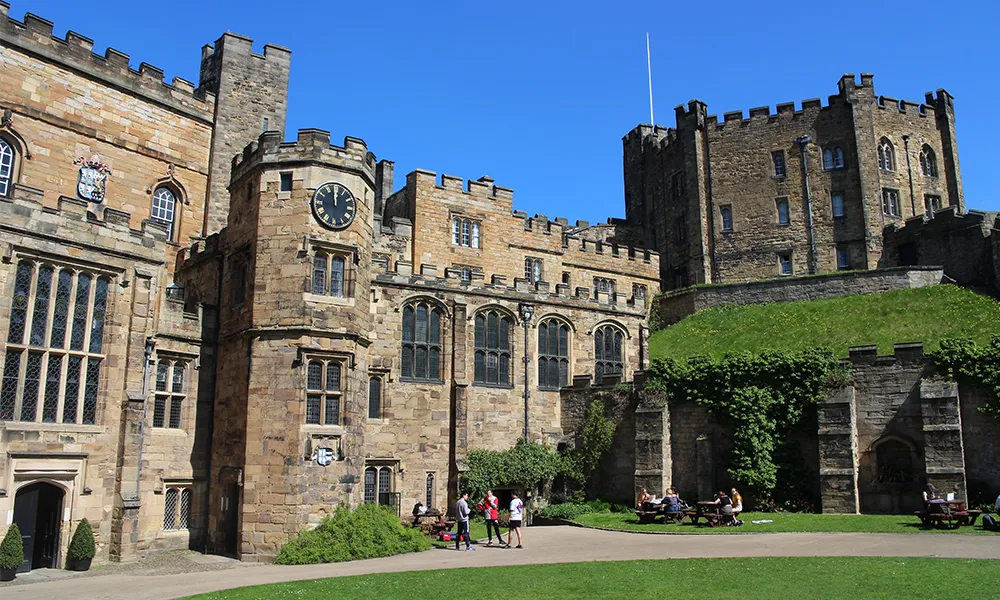
Durham University was founded in 1832 after an act of Parliament. This university is the third-oldest university in England, after Oxford and Cambridge. And it shows. Durham operates a collegiate system identical to its older siblings, with sixteen colleges, formal halls, gowns, and ancient rituals. But Durham is cheaper and less stressful, offering the same prestige without the suffocating pressure.
Although Durham city is small, beautiful, and medieval, with a cathedral that is a UNESCO World Heritage Site and a castle that houses students, academically, this city leads in theology, law, classics, geography, and physics. Some of the top alumni include the former Archbishop of Canterbury Rowan Williams, the actor Sir Peter Ustinov, and the father of modern geology. Durham University QS ranking is 94, and it is perfectly happy being posh without the attitude.
University of Nottingham
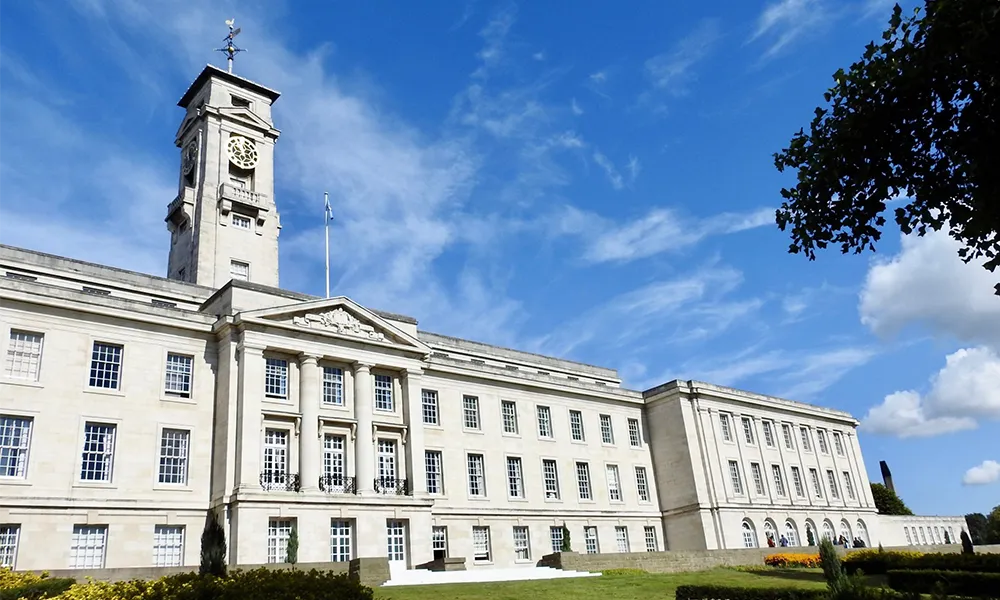
The University of Nottingham received its royal charter in 1948, though its roots lie in University College Nottingham, and it was founded in 1881. The campus is famously beautiful, with its own lake, castle, and forest.
Not an exaggeration. Nottingham excels in pharmacy, law, film studies, and chemical engineering. The university is a world leader in magnetic resonance imaging and sustainable chemistry. Alumni include the writer D.H. Lawrence, four Nobel laureates, and the chemist Sir John Cornforth, who won the Nobel Prize for his work on enzymes. Also, the man who invented ibuprofen studied here. The University of Nottingham QS ranking is 97, yet it ranked in the top twenty in the UK for graduate employment. That is the quiet flex that matters most.
The Wrap
So, there you have it. 17 UK universities that are not just surviving the global academic pressure cooker but absolutely thriving in it. From Cambridge rewriting the laws of physics since 1209, to Nottingham’s graduate quietly running a Fortune 500 company while you are still figuring out your morning routine, this list proves one thing: the UK doesn’t do mediocrity.
Whether you are drawn to the gothic drama of Durham’s UNESCO castle, the startup energy of UCL’s London streets, the Nobel-dense corridors of Manchester, or the seaside-adjacent stress of Southampton, there is a UK university on this list that was basically built for you. The hard part isn’t finding a good option. It’s choosing between seventeen of them.
But here’s the real talk: rankings are a starting point, not the destination. The QS scores tell you which universities the world respects. What they can’t tell you is where you will thrive.
So, use this list. Do the research. Ask the questions. Make the vision board. And then go apply, because your UK university era isn’t going to manifest itself.